Sort by

Side Tables, Lamp Tables and Nest of Tables

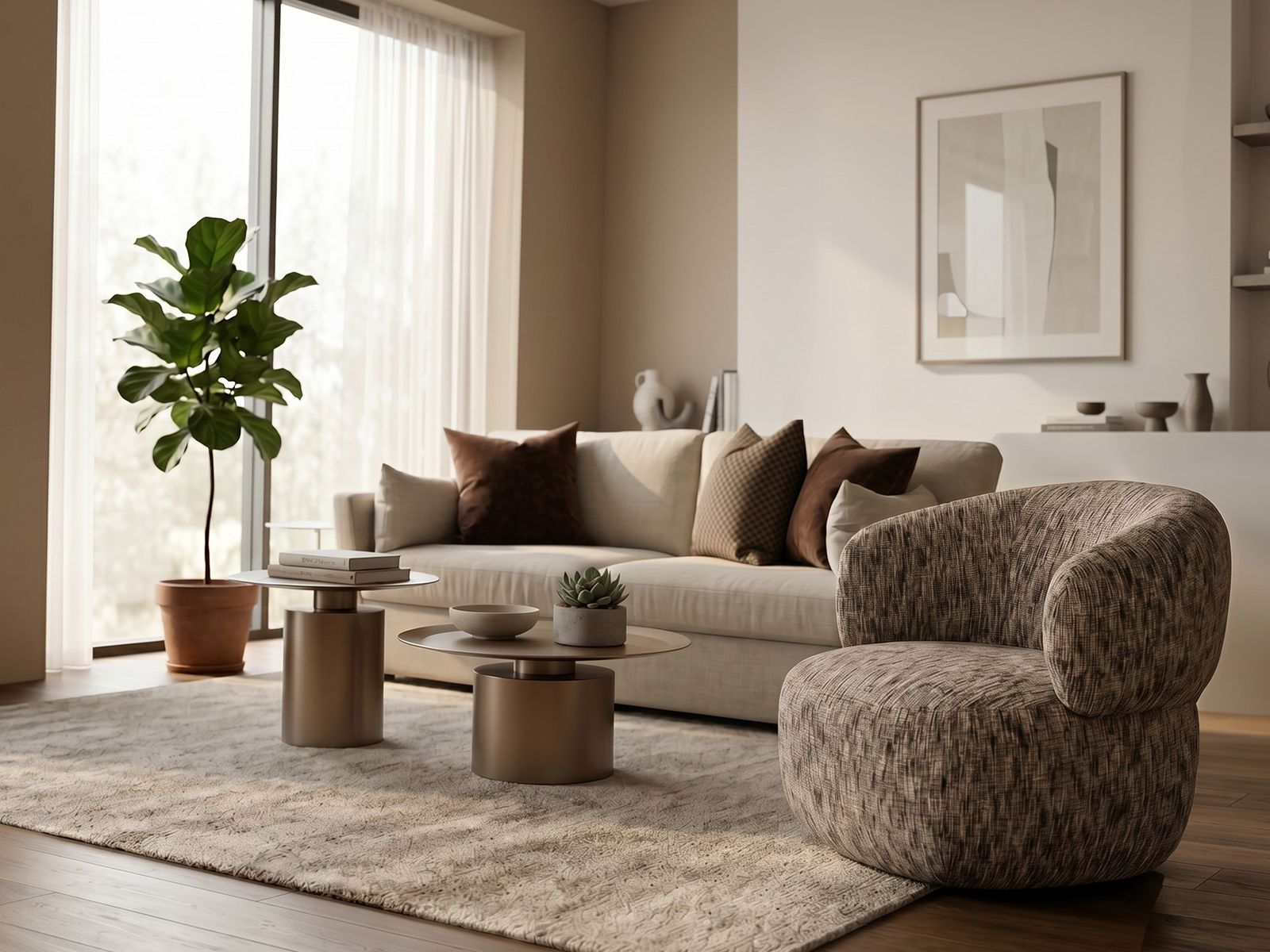
A well-chosen side table does more than hold a lamp or a cup of tea. It anchors a sofa, softens an armchair, fills a quiet corner, and brings rhythm to a living space. The term side table also covers a wider family than most people realise — lamp tables, nest of tables, end tables, accent tables and sofa-side C-tables are all part of the same group, each shaped slightly differently for how and where they are used.

Our range brings these together in one considered collection, with options spanning sculptural timber forms, refined metal silhouettes, marble pieces and modern concrete designs. Whether you are layering a lived-in lounge, styling a more pared-back space, or simply need somewhere to set down a lamp, the right design is here.
Types of Side Tables

Side tables come in several distinct shapes, each suited to a different way of living. Understanding the types makes it easier to choose the right one for your space.

Round side tables

Soft, sculptural and easy to live with. Round side tables work beautifully beside curved sofas, in tighter spaces where sharp corners would feel crowded, and in rooms that lean more relaxed than architectural. They also sit well as a pair, flanking a sofa or used either side of a bed in a guest room.

Drum side tables

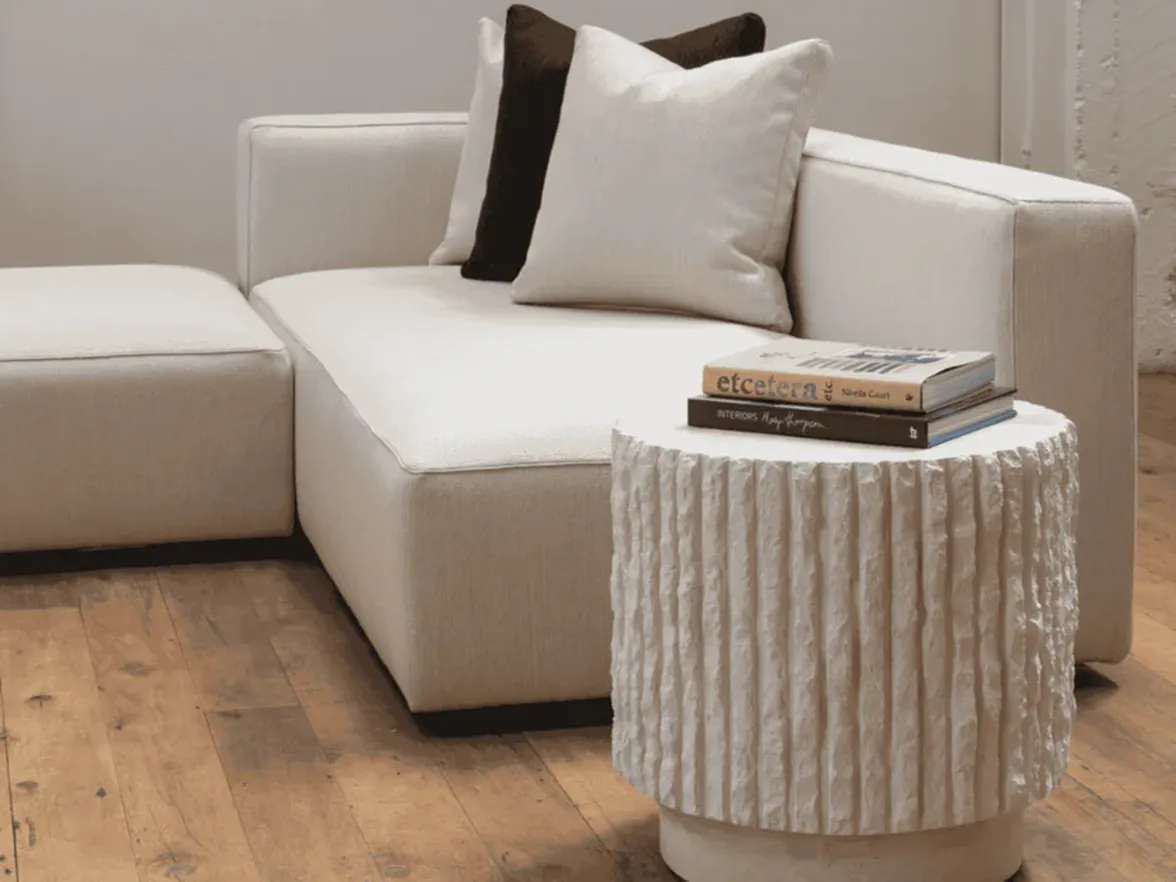
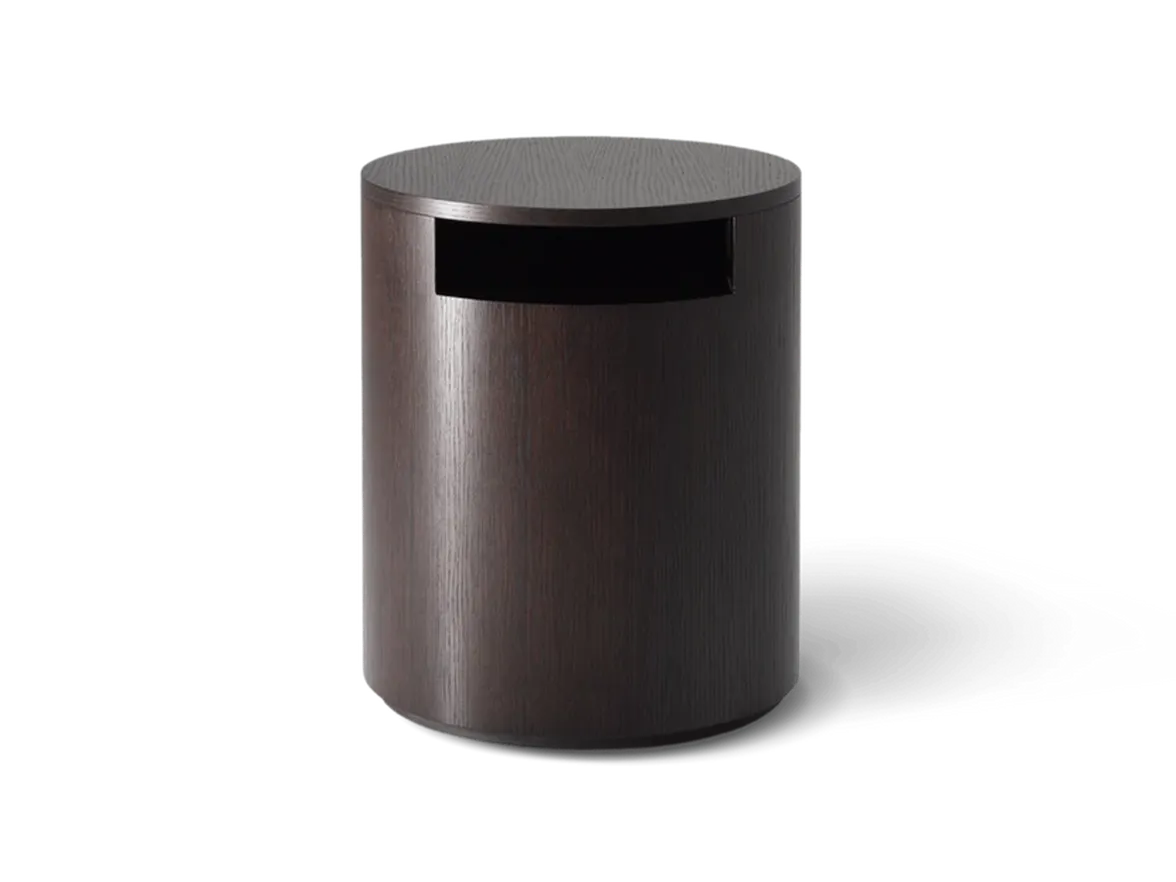
Drum side tables have a solid, grounded presence. Their full-bodied form makes them feel quietly architectural, working well in larger living rooms or alongside deep, generous sofas. Many drum designs also offer a more sculptural alternative to a traditional lamp table.

C-tables and sofa side tables

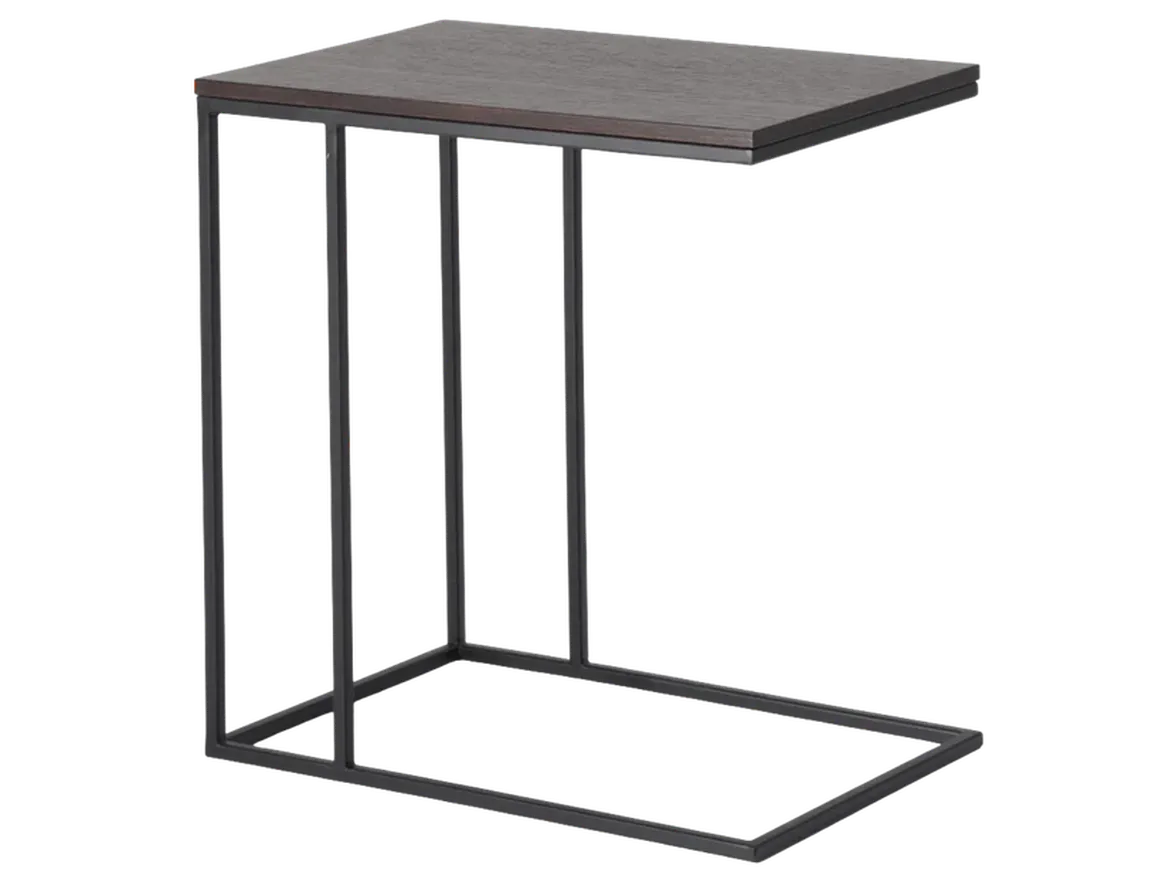
C-shaped side tables, sometimes called sofa side tables, are designed to slide neatly under a sofa or armchair, bringing the surface in close. They are particularly well-suited to smaller living rooms, apartments and considered, multi-use spaces, where a laptop, drink or book needs to sit comfortably within reach.

Nest of tables

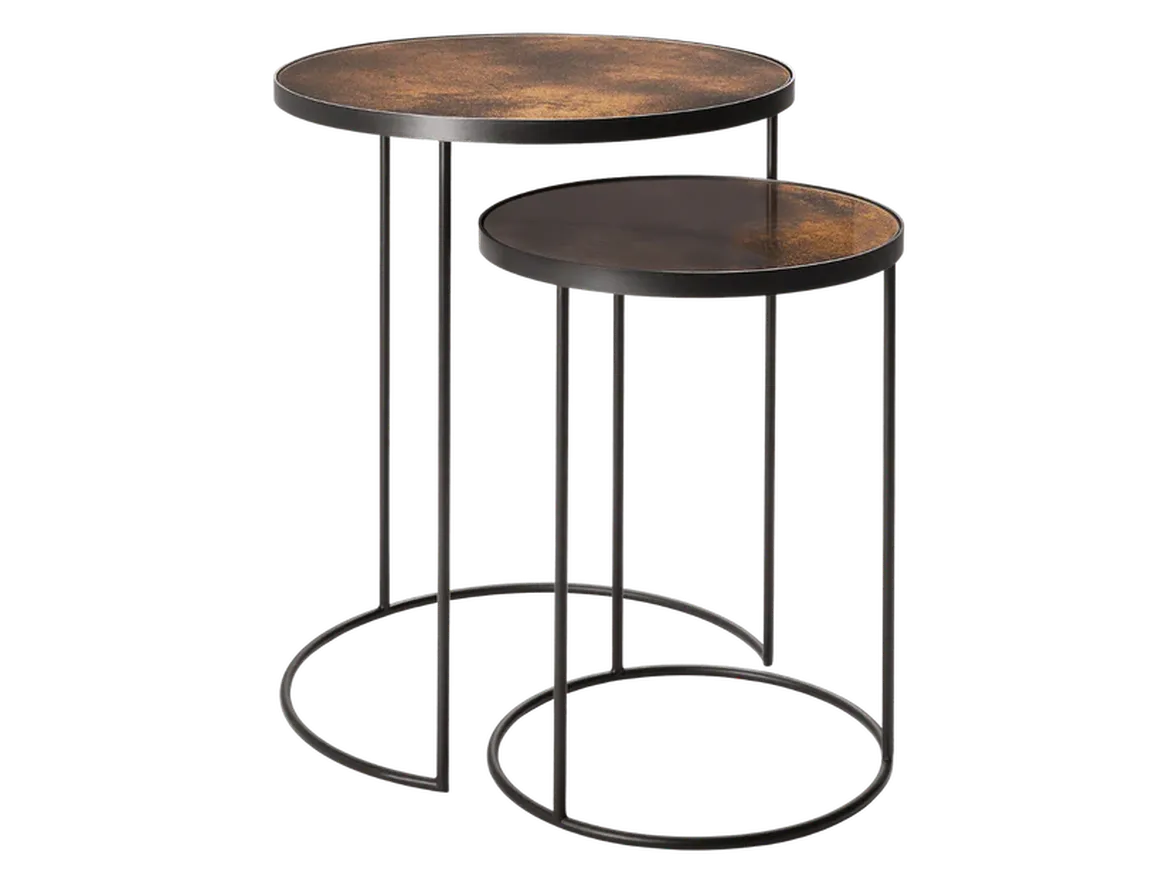
A nesting set offers flexibility that a single table cannot. Sat together, they read as one considered piece. Pulled apart, they create extra surface area when guests arrive or when a room needs to shift quickly. Nesting tables suit smaller homes, layered styling, and rooms that need to work harder.

Tray-top side tables

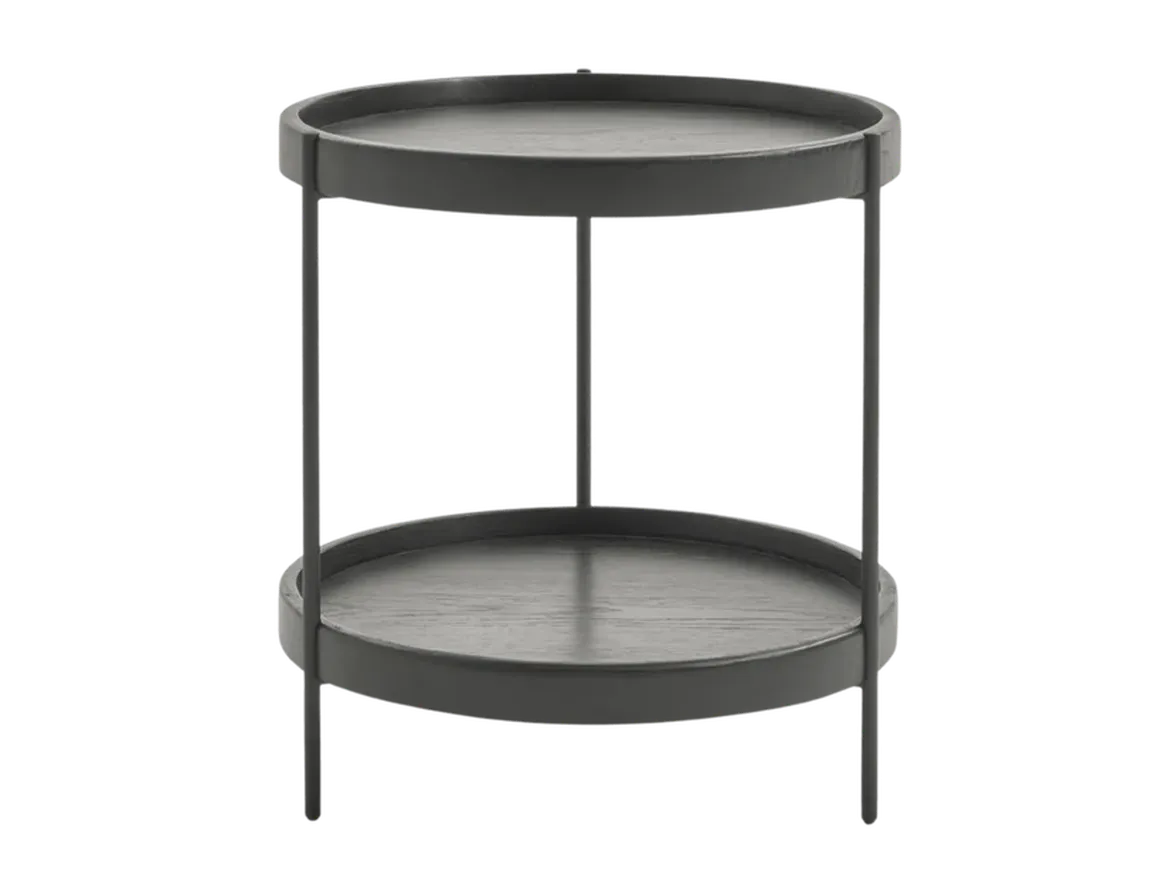
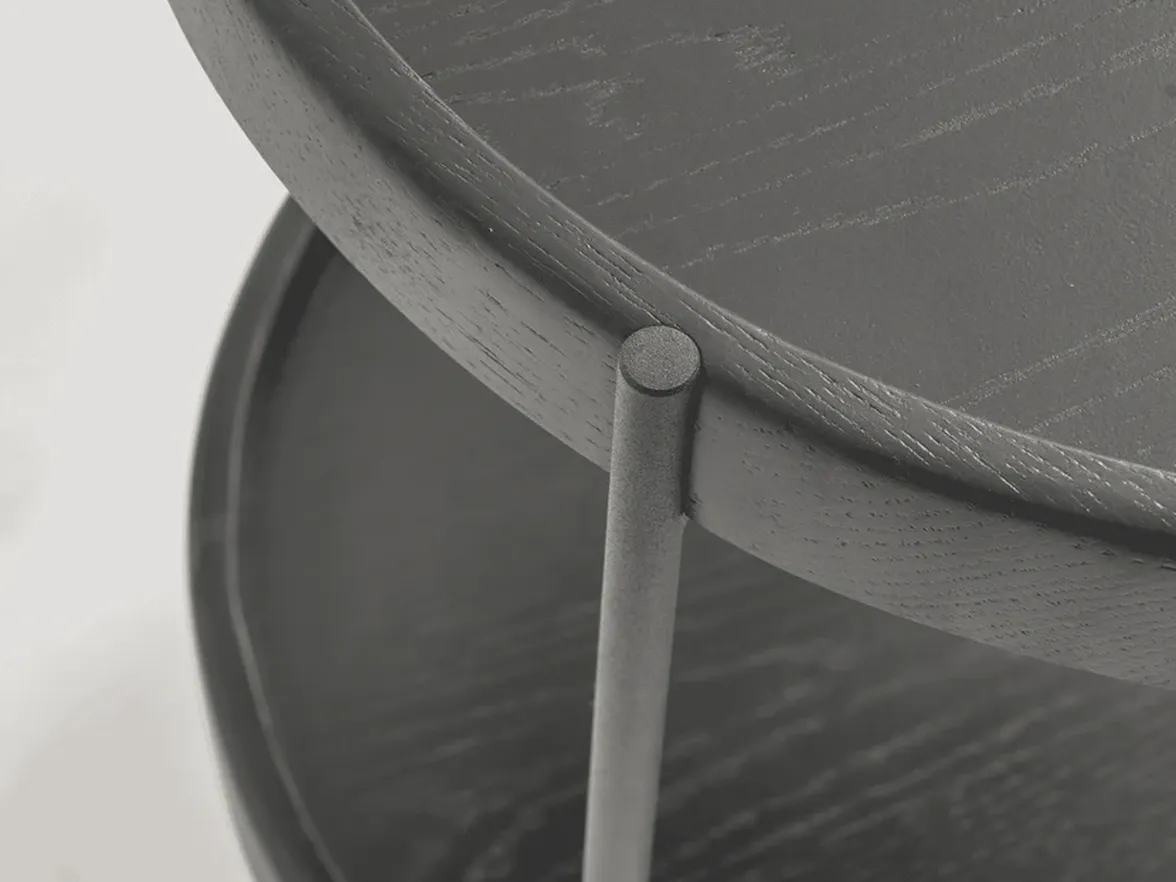
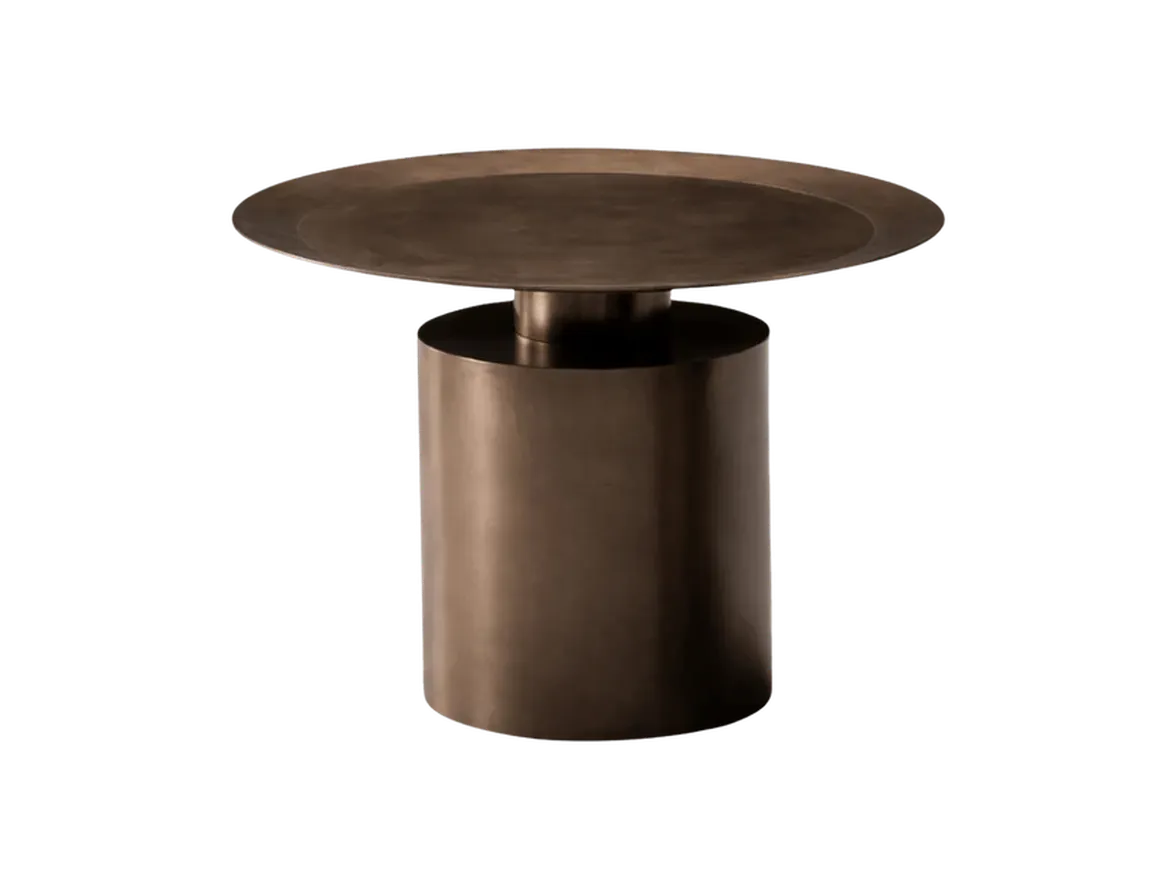
Tray-top designs add a slight lip around the surface, giving the piece a softer, more contained look. They suit rooms where the side table acts as more of a styled object — holding a small arrangement, a candle or a stack of books — as well as a practical surface.

How High Should a Side Table Be?

A side table should sit close to the height of your sofa or armchair arm, so it feels integrated into the room rather than added on. Most sofa arms in New Zealand homes sit between 55 and 65 centimetres high, and a side table within a few centimetres of that height will feel naturally in proportion. Sitting too low can make the piece feel separate from the sofa. Sitting too high can crowd the armrest. For an armless chair, aim for roughly seat height, give or take a few centimetres. If you are choosing a tray-top or sculptural design where the usable surface sits slightly below the rim, work to the usable surface rather than the highest point of the piece.

Materials and Finishes

Our side tables are chosen in a curated range of materials, each bringing a different character to a living space.

Timber side tables

The perfect choice to add warmth, depth and craft. Grain detail softens with age, and timber works beautifully in homes that lean natural, layered or classic. It also pairs comfortably with most other materials, making it one of the most versatile choices.

Metal side tables

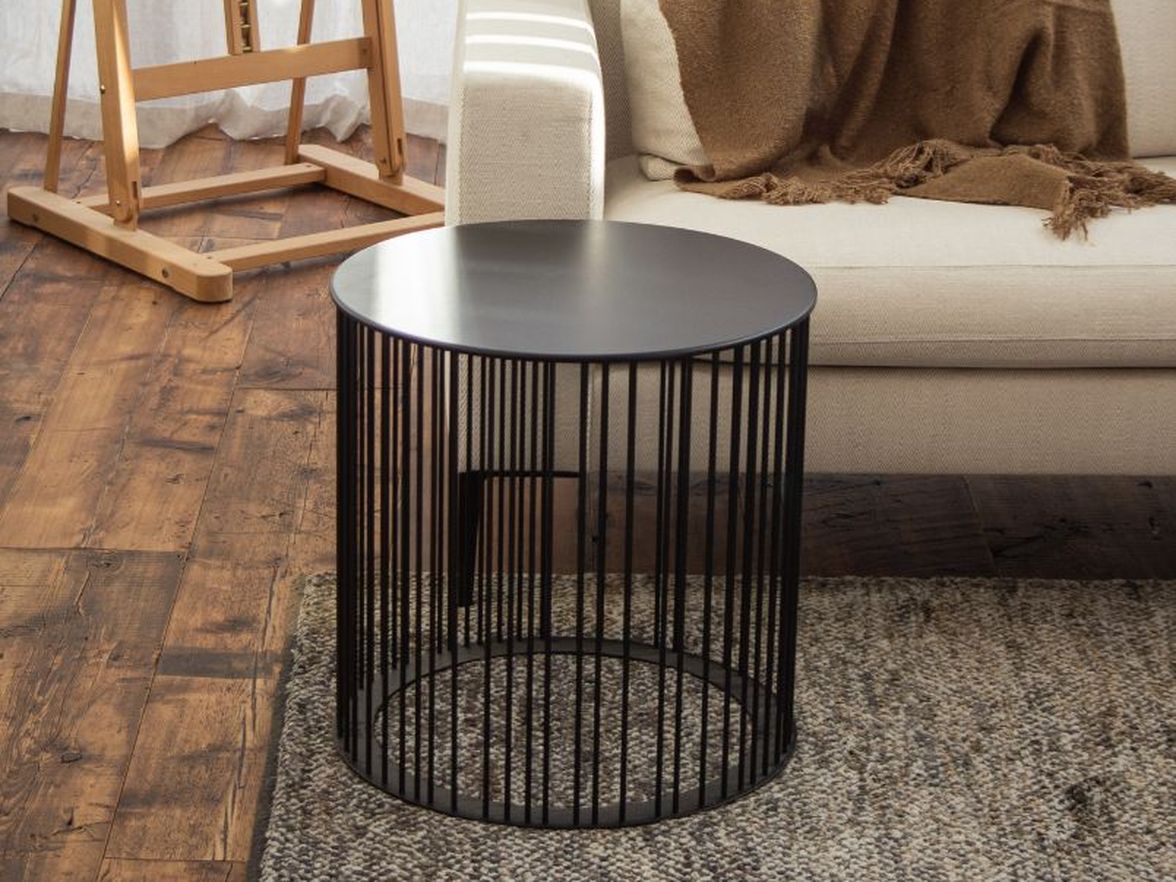
Metal designs bring a lighter, more architectural feel to a room. A slim frame can hold a generous top without feeling heavy, and metal side tables work particularly well in contemporary, gallery-style or minimal interiors.

Marble side tables

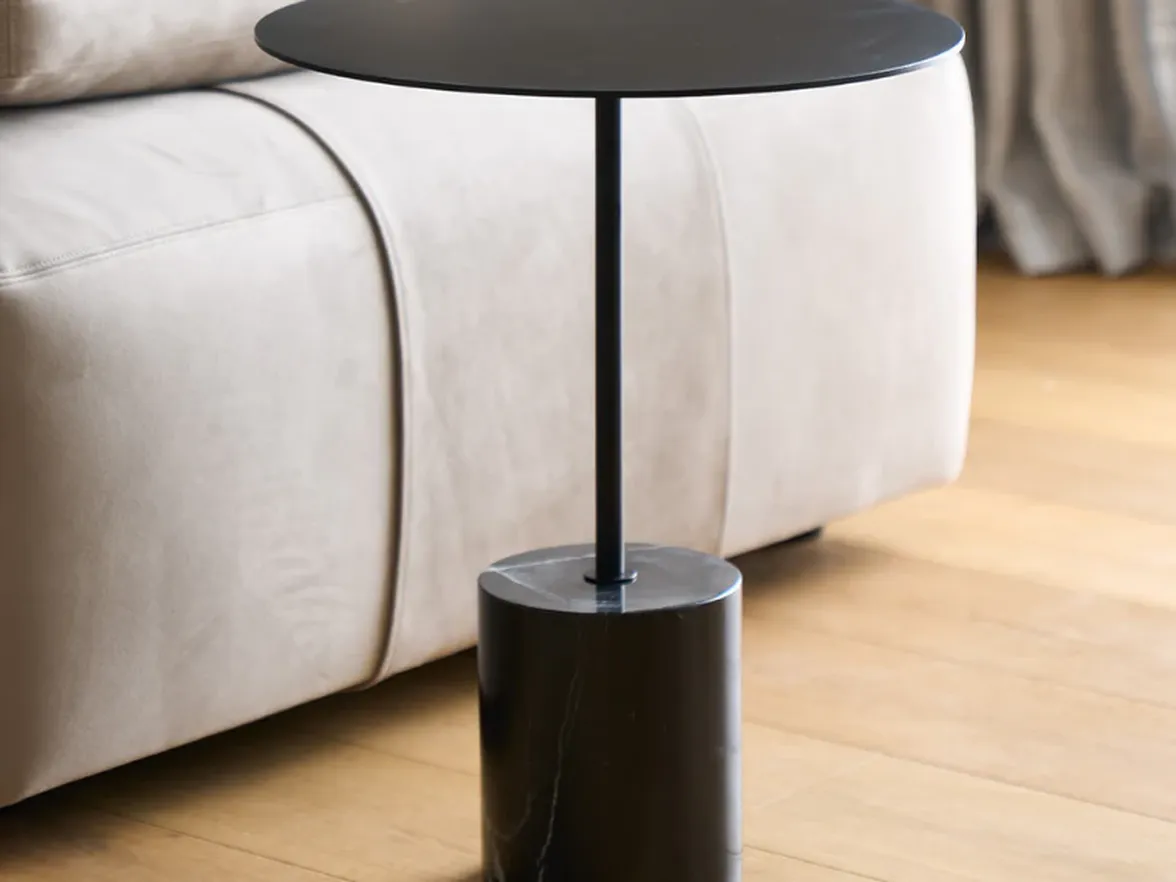
Introduce weight, polish and a sense of quiet permanence. A marble element lifts the piece into a more considered statement, and adds a strong sense of materiality to a room.

Concrete and stone-look side tables

Bring texture and a more grounded, sculptural feel. Modern fabricated concrete pieces offer the look of the material without the weight of solid stone, making them well-suited to homes that lean contemporary or architectural.

Where Side Tables Work Best

Side tables are some of the most adaptable pieces in a living room. Place one beside a sofa to hold a lamp, a book or a drink within easy reach. Use a pair to flank an armchair and a reading chair, creating symmetry and a sense of considered design. In open-plan spaces, a side table can soften the edge of a sofa that floats in the middle of the room, helping define the lounge area without the need for additional walls or screens. A C-shaped table works well slid under a sofa or chair when working from the couch. Smaller pieces and nesting sets also work beautifully as occasional surfaces, pulled in when needed and tucked away when not. Beyond the lounge, side tables also work well as plant stands, hallway accents or quiet display pieces.

New Zealand Made Side Tables

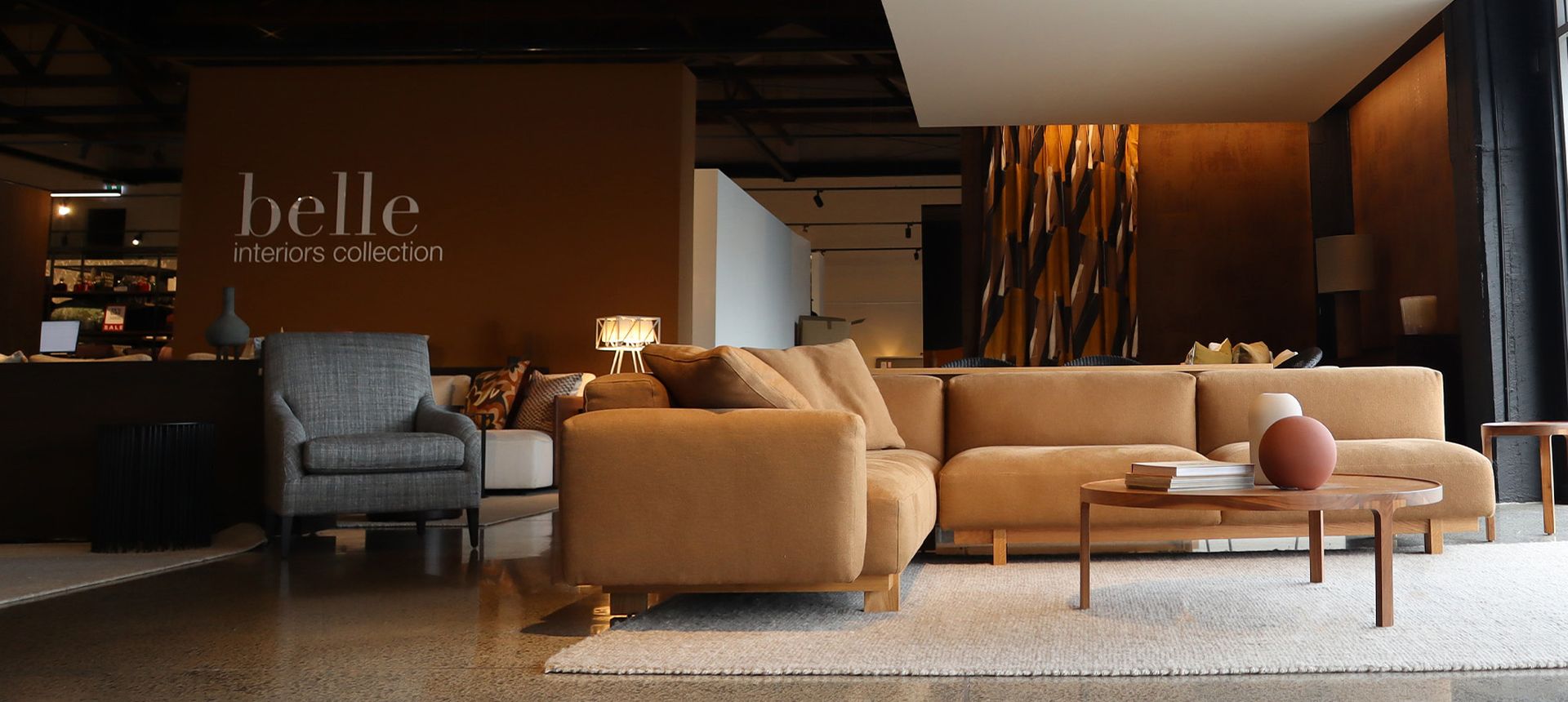
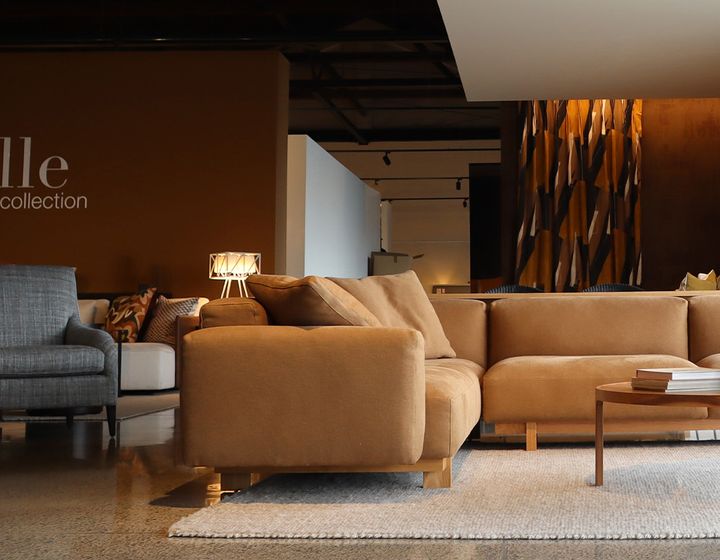
A number of our side tables come from the Belle Interiors Collection — McKenzie & Willis' own furniture brand, designed and made in New Zealand. Founded in Christchurch in 1978 by Colin Foggo, Belle Interiors has spent more than four decades shaping considered, design-led furniture built on a simple belief: that good design is timeless, functional and made to last. Belle pieces are crafted locally with honest materials, careful proportions and a finish designed to wear beautifully over time. Belle sits alongside a curated selection of leading international designers, giving you a considered mix of locally made craft and global design integrity. Speak with our team in showroom or online if you would like guidance on the Belle Interiors and other New Zealand-made options in the current range.

Pair With Coffee Tables and Console Tables

Side tables work best when considered as part of a wider table family. A well-paired coffee table grounds the centre of the room, while a console table can anchor the back of a sofa or define an entryway. For a cohesive look, we often suggest choosing pieces that share at least one material or tonal cue — a timber thread running through, a consistent metal finish, or a shared sense of proportion. Explore our coffee tables and console tables to build a considered, connected living space.

Common Questions About Side Tables

Side Tables at McKenzie & Willis

For more than 150 years, McKenzie & Willis has been one of New Zealand's most trusted names in furniture and interiors. Our side tables are chosen from a curated mix of New Zealand makers and leading international designers, each piece selected for its design integrity, build quality and ability to sit comfortably in a New Zealand home. Visit us at one of our showrooms or browse online with confidence.