
Curtain Heading Styles
A considered guide to the curtain heading styles we craft in our McKenzie and Willis specialised workroom.
Custom Curtain Headings for New Zealand Homes
We craft custom curtain headings for homes across New Zealand, with every heading made by hand at our own workroom, based in our Christchurch store. The heading is one of the most important design decisions you'll make for your curtains. It shapes how the fabric drapes, the quantity of fabric you will need to purchase, how the curtains stack back when open, how they pair with your tracks or rods, and the overall feel of the room. This guide brings together everything we've learned in over a century of curtain making, with detailed information on each of the ten heading styles we offer, how to choose the right one for your home, and how they compare at a glance.

What is a Curtain Heading and Why Does It Matter?
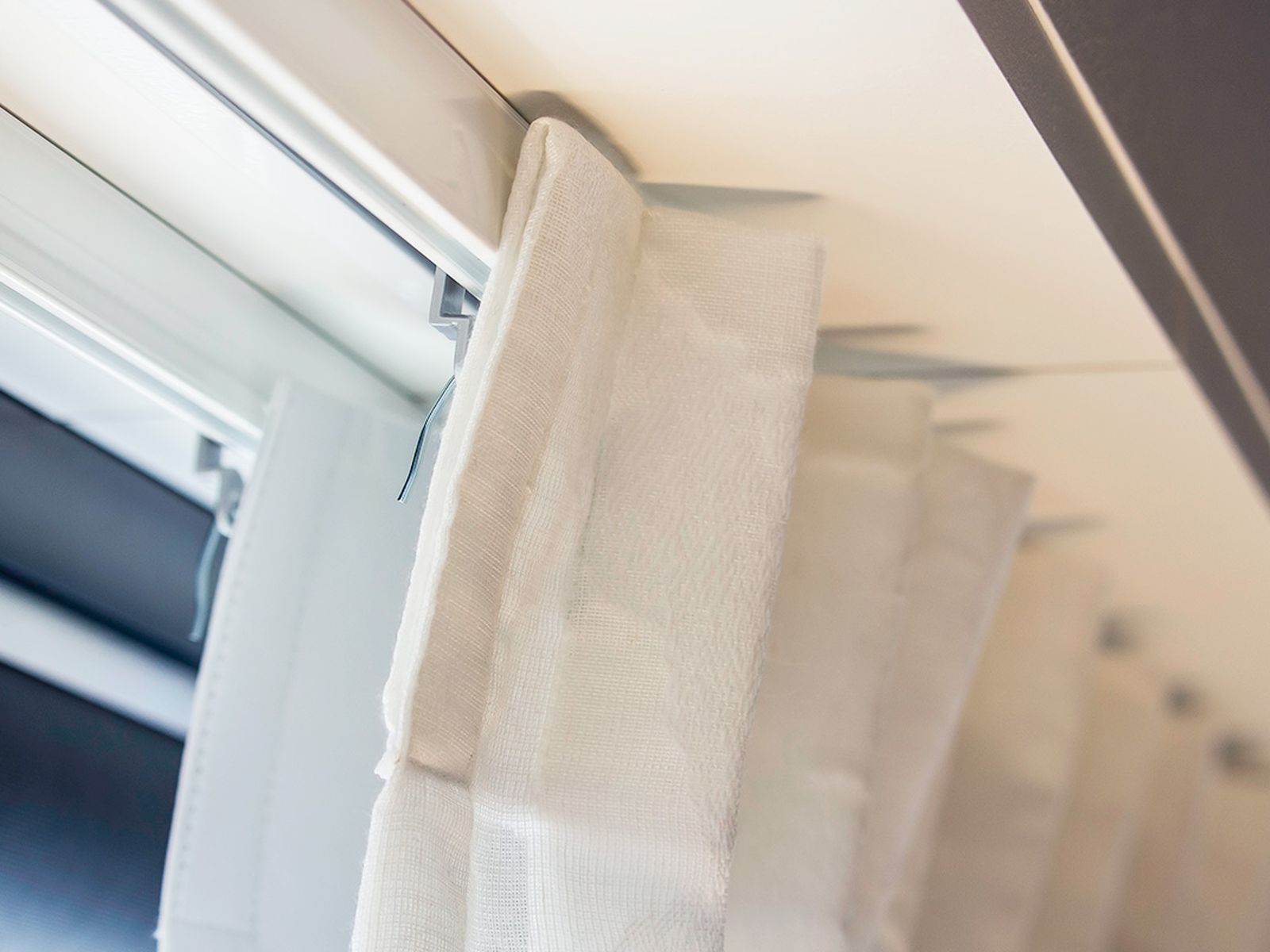
A curtain heading is the top edge of the curtain, where the fabric is gathered, pleated or waved. It holds the hooks that secure the curtain to the track or rod. Curtain headings are created using either a stiff material called buckram, or a specialised curtain tape that has strings to gather the fabric and slots to place the hooks. While it might seem like a small detail, the heading defines almost everything about how your finished curtains will look and behave.
Shape, Fullness and Drape
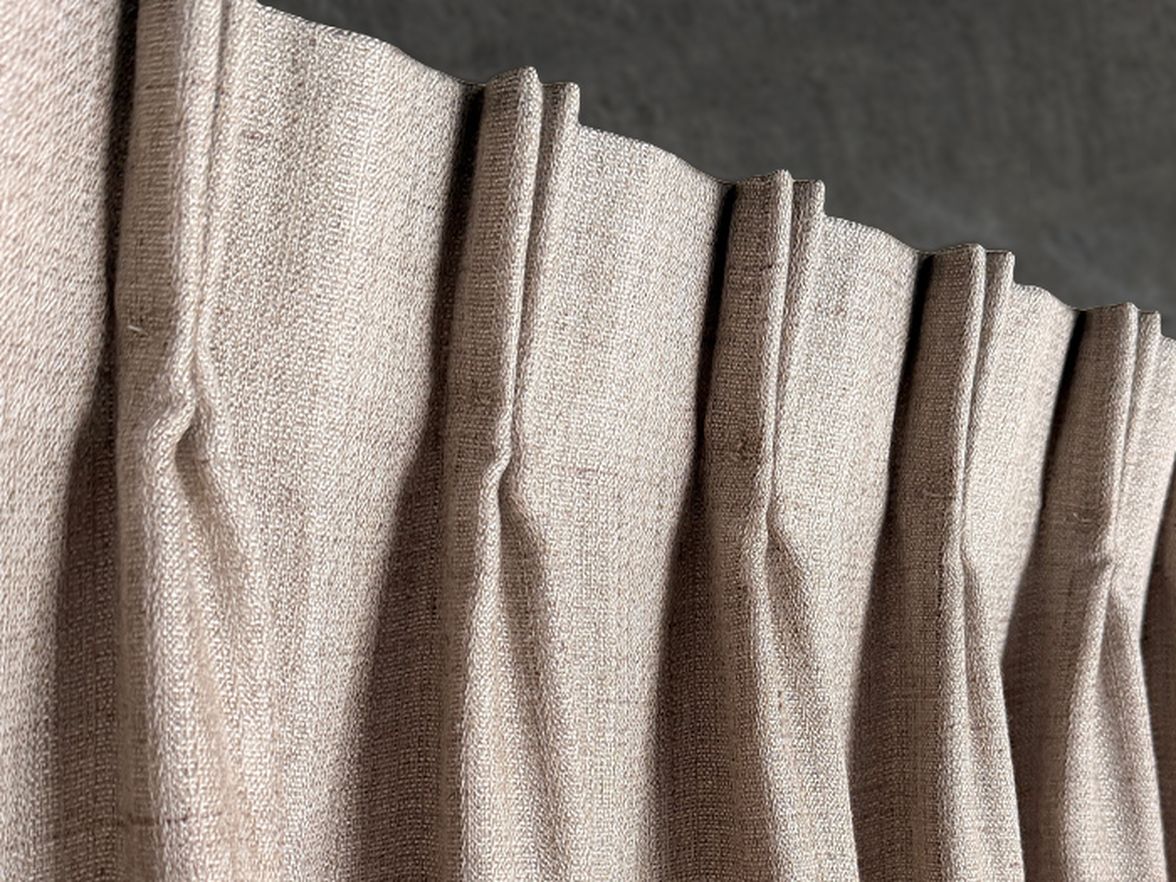
The heading determines the shape and rhythm of the fabric as it falls. A tightly pleated heading creates structured, defined folds, while a softer wave creates flowing movement. It also dictates fullness, which is how much fabric is needed to achieve the right drape. Heavier headings like the triple pleat use more fabric, while pared back styles like the single pleat or casual wave use less.
Stacking Space and Curtain Hardware
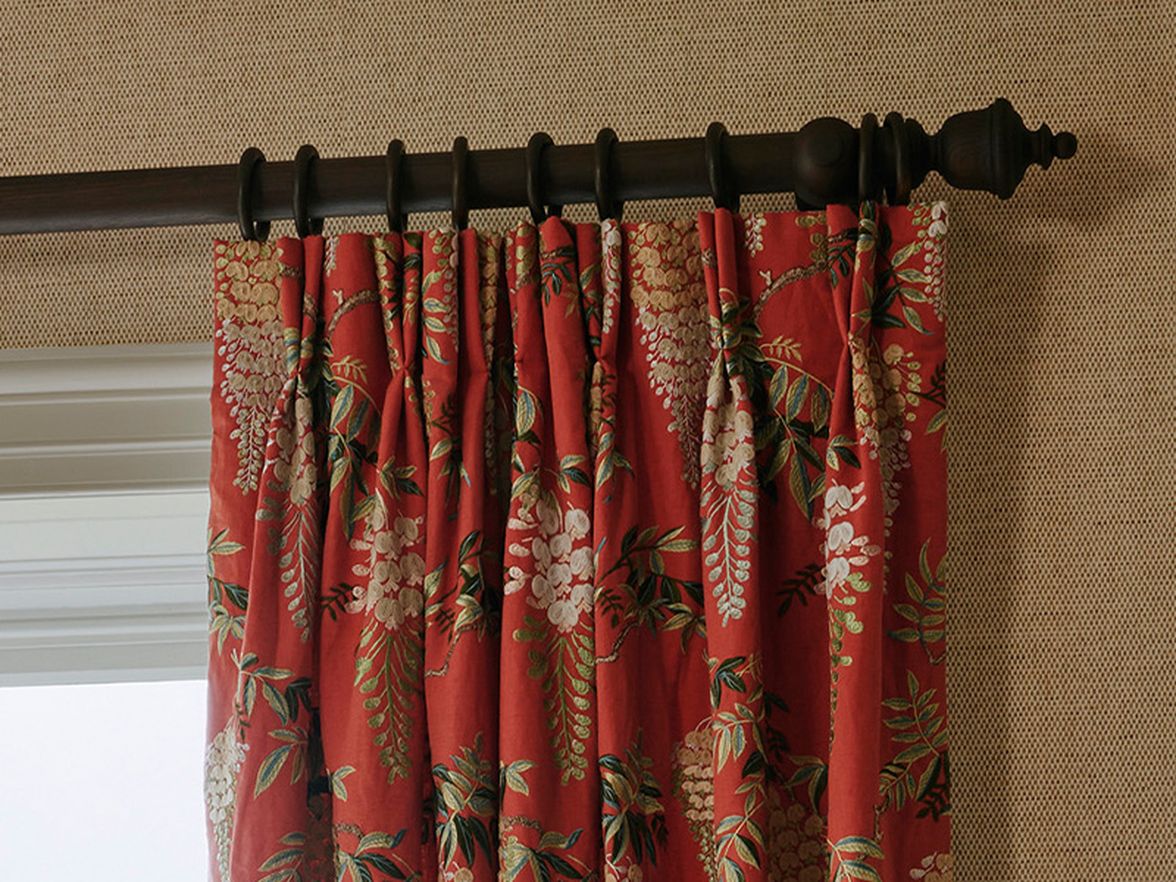
The heading affects the stacking space, which is the term used when referring to how much of the wall or window the curtains take up when drawn open. Fuller headings stack wider, while flatter styles need less room to stack. In rooms with limited wall space beside a window, this becomes a real practical consideration. The heading also determines hardware compatibility. Some headings require a specialised track, others pair beautifully with a decorative rod, and some work equally well with both.
Mood and Interior Style
Finally, the heading shapes the mood of the room. An inverted pleat sits crisply against modern architecture. A classic pinch pleat brings a traditional feel. A serpentine wave suits minimal, considered interiors. The fabric and lining are key factors in choosing the best heading. Selecting the right heading and fabric combination is one of the most enjoyable parts of a curtain project, and our consultants will guide you in making the best decision for your home.
How to Choose the Right Heading Style
Choosing a heading is rarely about one single factor. Instead, it's the balance of several considerations that leads to the right answer for your home.
Fabric Weight and Texture
This is usually the starting point. Heavier textiles, such as weighty linens and structured weaves can look bulky when pleated or gathered. They work beautifully in a wave or inverted pleat where the texture of the fabric becomes the feature. Lightweight fabrics lend themselves to most heading styles and look great with generous fullness. Blackout lined curtains in white shades are best avoiding pinch pleating, due to the black layer of the lining punching through the stitch lines. Sheer fabrics, when left unlined, have some additional elements to consider, as we don’t want the hooks visible and also need to select headings that allow sufficient fullness to filter the light. Serpentine wave, pencil pleat and inverted pleat all work well on unlined sheer curtains.
Your Interior Style
Contemporary and modern interiors may be better suited to inverted pleat, serpentine wave or single pleat. Traditional and classic interiors can lend themselves to more formal headings, such as pinch pleating, which comes with several variations. But our interiors are as individual as we are, and the perfect heading is the one that works with your fabric and creates the right look for your home.
Curtain Hardware
Decorative rods can be incorporated into both contemporary and traditional interiors and pair well with almost every heading style. Concealed and ceiling mounted tracks also work with most headings but look particularly stylish with streamlined headings like inverted pleat, serpentine wave and New York pleat. Wall mounted tracks work beautifully with any of the pleated or gathered headings but have some limitations with the more casual styles.
Stacking the Curtains Back
Often overlooked, it is important to consider when choosing a heading style. If wall space beside your window is limited, or non-existent as it is in many contemporary homes, a fabric efficient heading like single pleat or casual wave will help keep the view and light unobstructed when curtains are open.
Layering
Increasingly important in New Zealand homes. If you're planning to combine sheers with a lined curtain, or a separate lining on a double track, most heading styles will work, but our consultants can guide you through which combinations look and perform best.
Our Curtain Heading Styles
We offer many heading styles, each crafted at our McKenzie and Willis workroom and refined over generations of curtain making. Click through to any of the styles below to explore them in detail.
Single Pleat
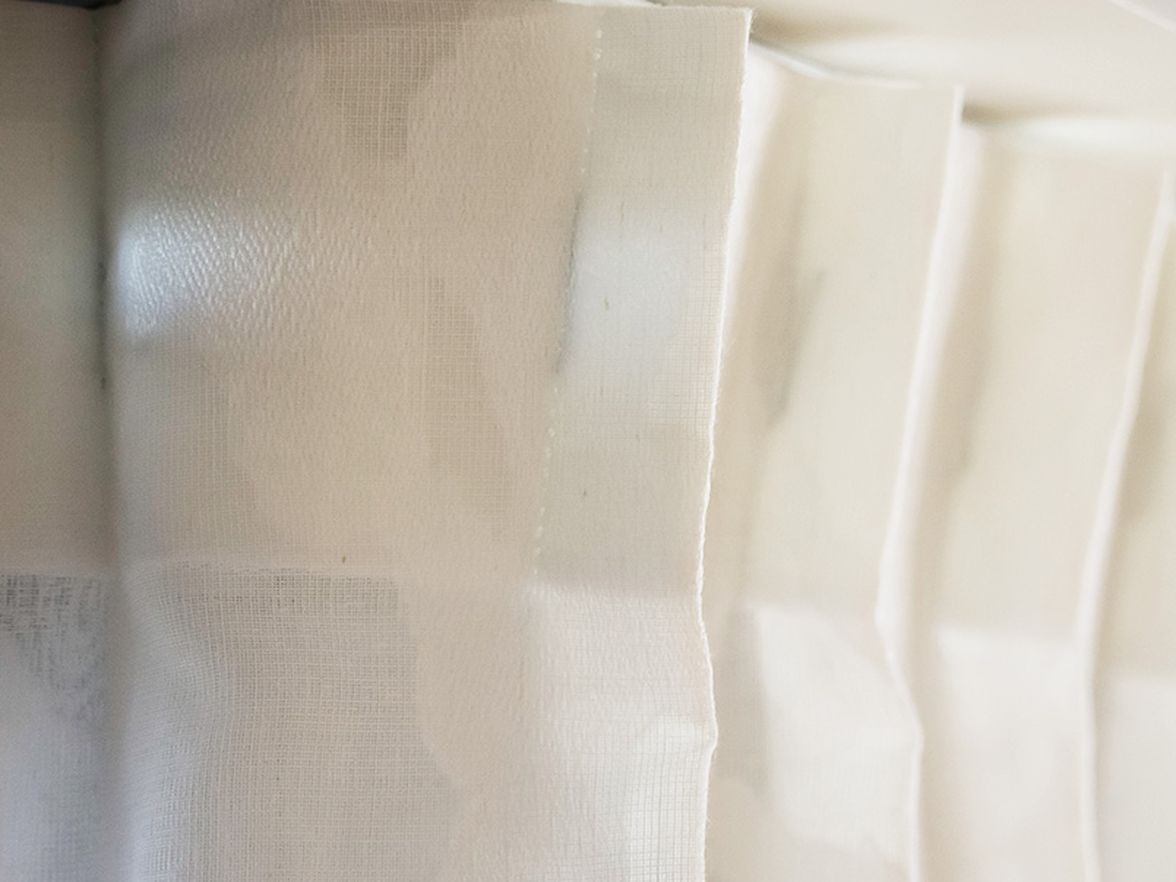
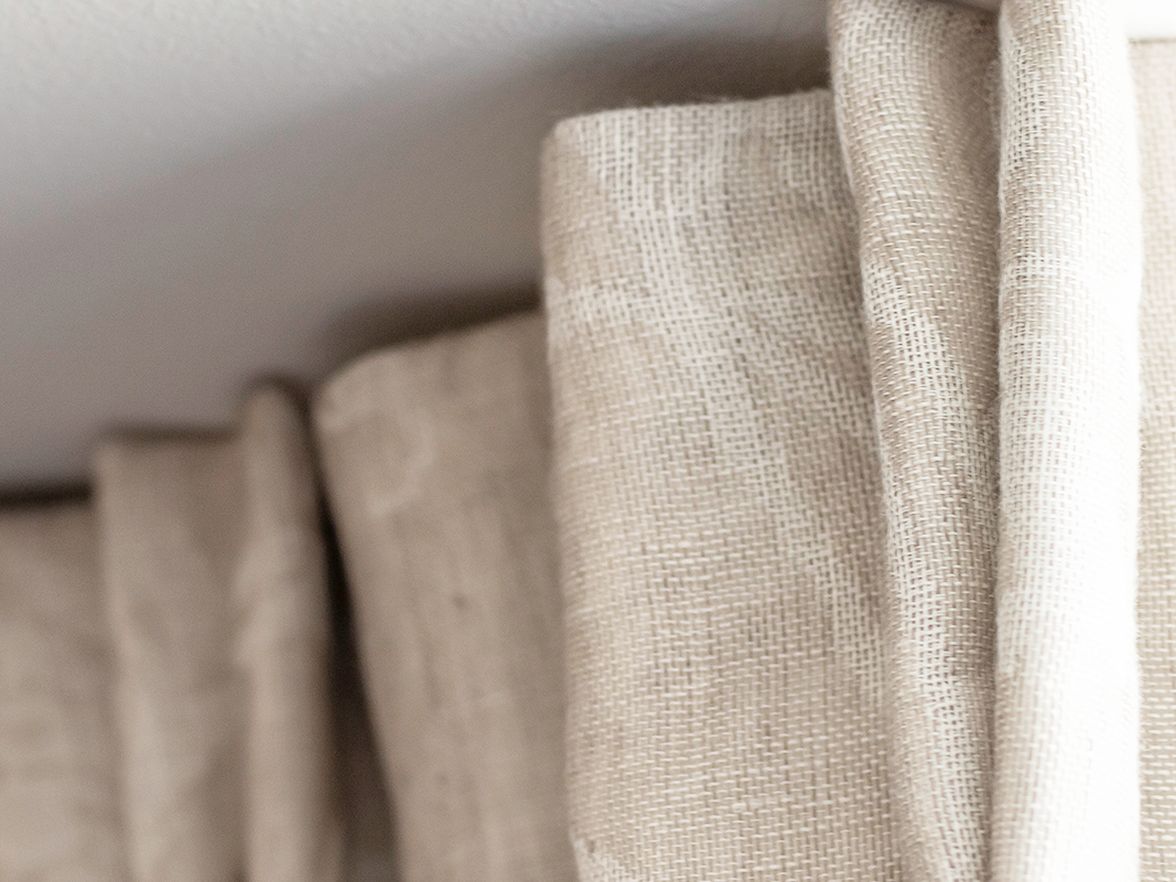
The most pared back of the pinch pleat family. Single folds create regular, uniform pleats that project forward, with approximately 100mm of space between. The effect is a tailored heading with a quiet, contemporary feel. Single pleats use less fabric than other pinch pleat styles, making them an efficient choice for wide windows and modern interiors. Typically requiring 60% to 70% fullness, single pleat curtains are compatible with both tracks and rods.
Bi-Pleat
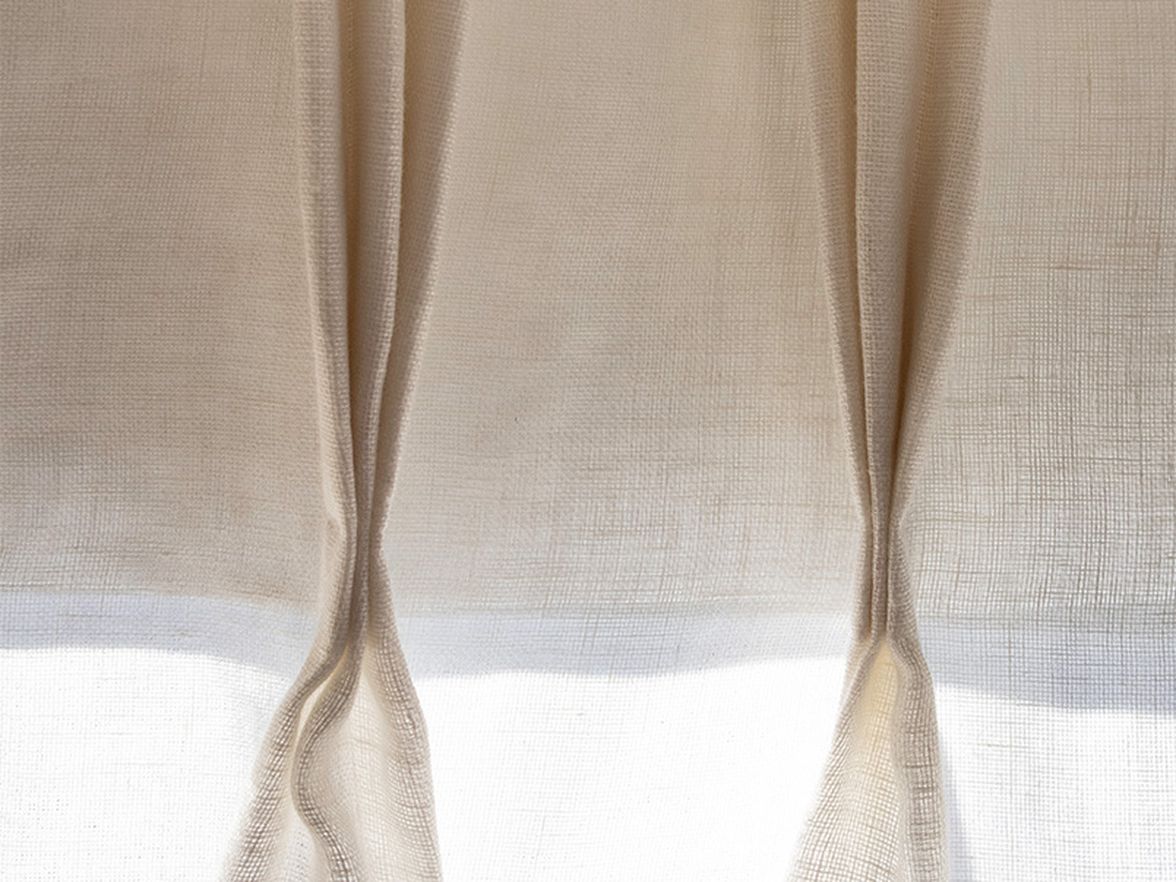
The balanced, mid-size option in the pinch pleat family. Like its single pleat relative, bi-pleat has space of approximately 100mm between each pleat but uses two folds to create the pleat. The result is a refined, balanced heading that allows a good level of fullness and structure. Sometimes called a double pleat or Dutch pleat, the bi-pleat is one of our most versatile styles, suiting interiors ranging from modern new builds through to classic villas. Typically, it requires around 80% to 100% fullness, is compatible with both tracks and rods and showcases patterned fabrics beautifully.
Triple Pleat
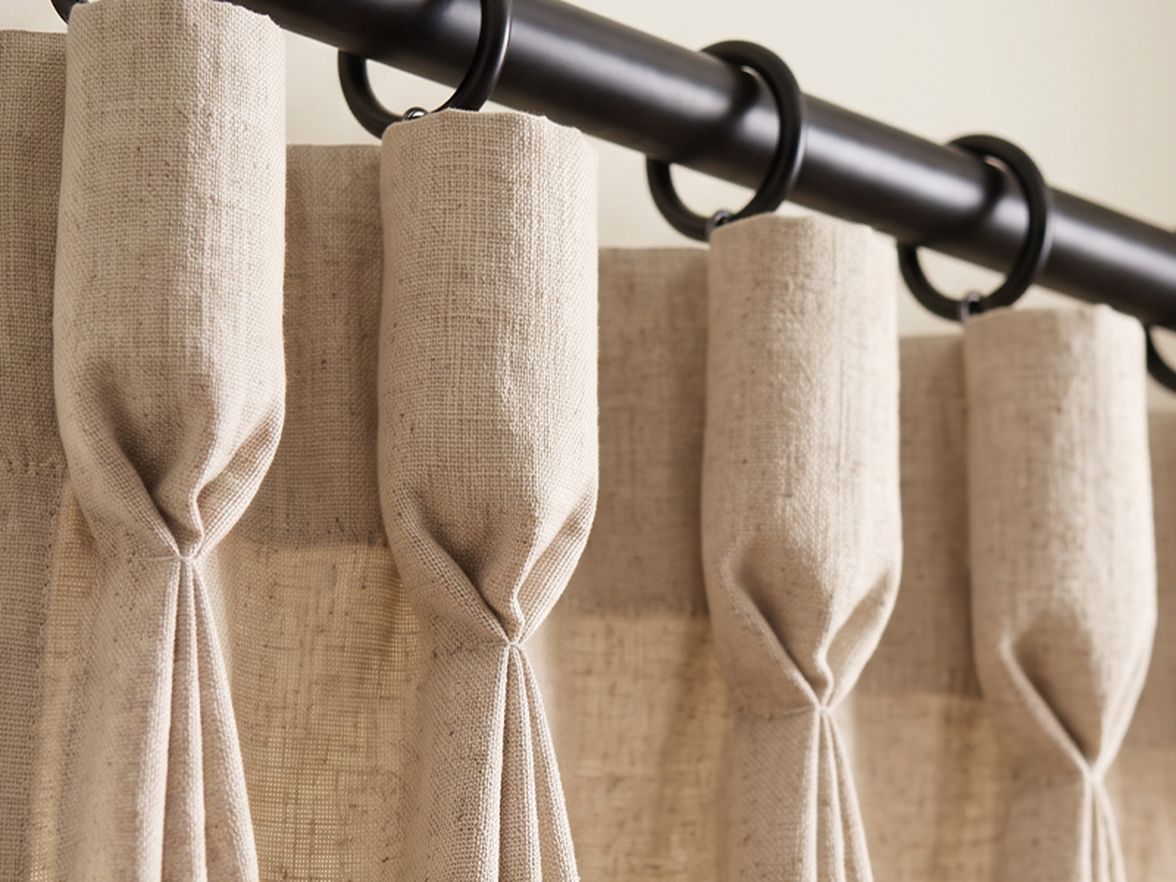
The classic member of the pinch pleat family. A more formal heading, created in the same way as other pinch pleat styles, but with three folds incorporated into each pleat. Sometimes called a French pleat, the triple pleat creates fullness and structure and is often the heading of choice for traditional interiors. It does have limitations with fabric and lining combinations, as the pleat can be problematic to form when the fabric combination is too bulky. Typically, triple pleat requires around 110% to 120% fullness and looks great when paired with decorative rods.
Goblet Pleat
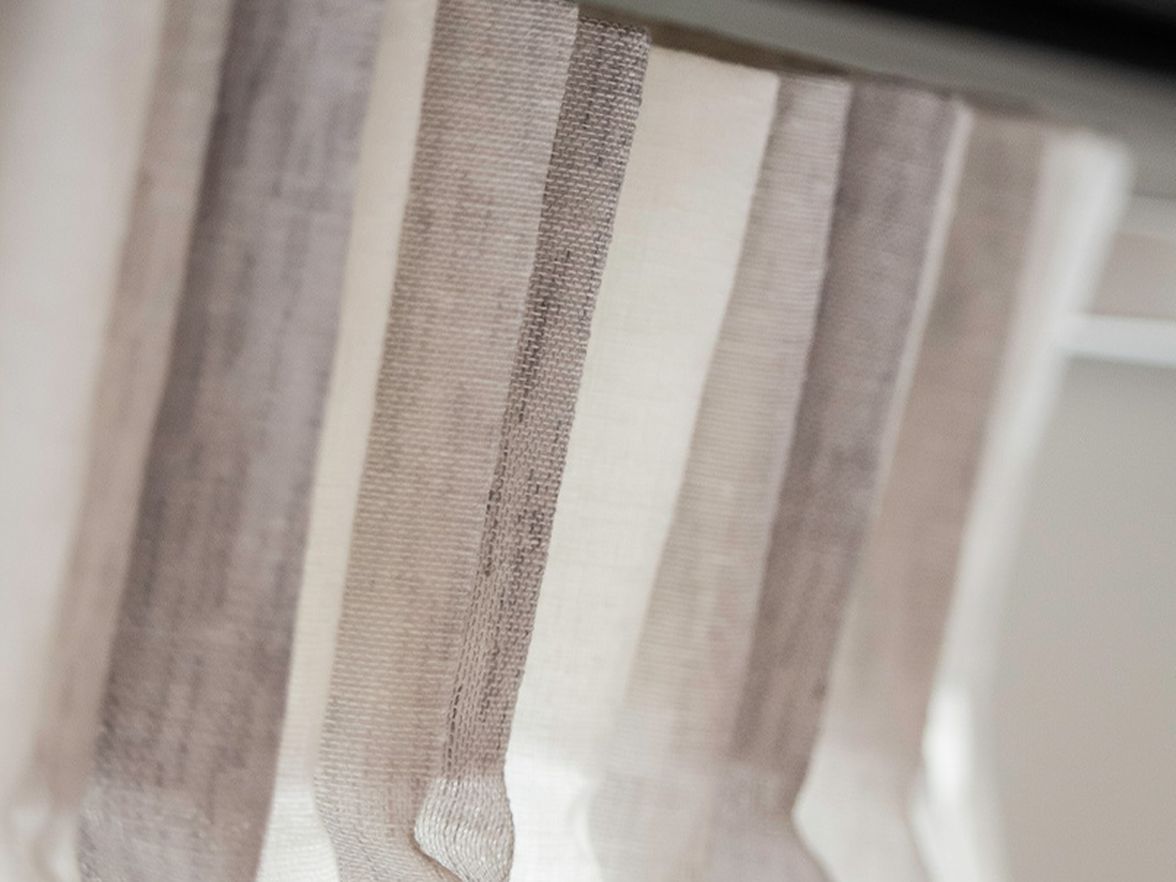
A cousin to the pinch pleat family, this heading is created with a generously sized single pleat and filled with Dacron to create a rounded detail. The finished effect is a refined shape reminiscent of a champagne flute. It can work equally well using a plain fabric and placed within a contemporary interior, or with a more traditional patterned fabric to dress an interior with a classic style. Fullness required is around 80% – 90% and the goblet pleat can sit on either a track or rod.
New York Pleat
A contemporary heading where small tucks are created at approx. 120mm intervals and sit to the rear of the heading. These are then tethered together with a tape to create a rounded curve, which sits forward between each tuck. The New York pleat shares the inverted pleat's clean, tailored effect but is more economical with fabric and has a slightly more casual feel. Typically requiring around 65% - 75% fullness, it sits best when at the ceiling or suspended below a track or rod but can be used with wall mounted tracks also.
Inverted Pleat
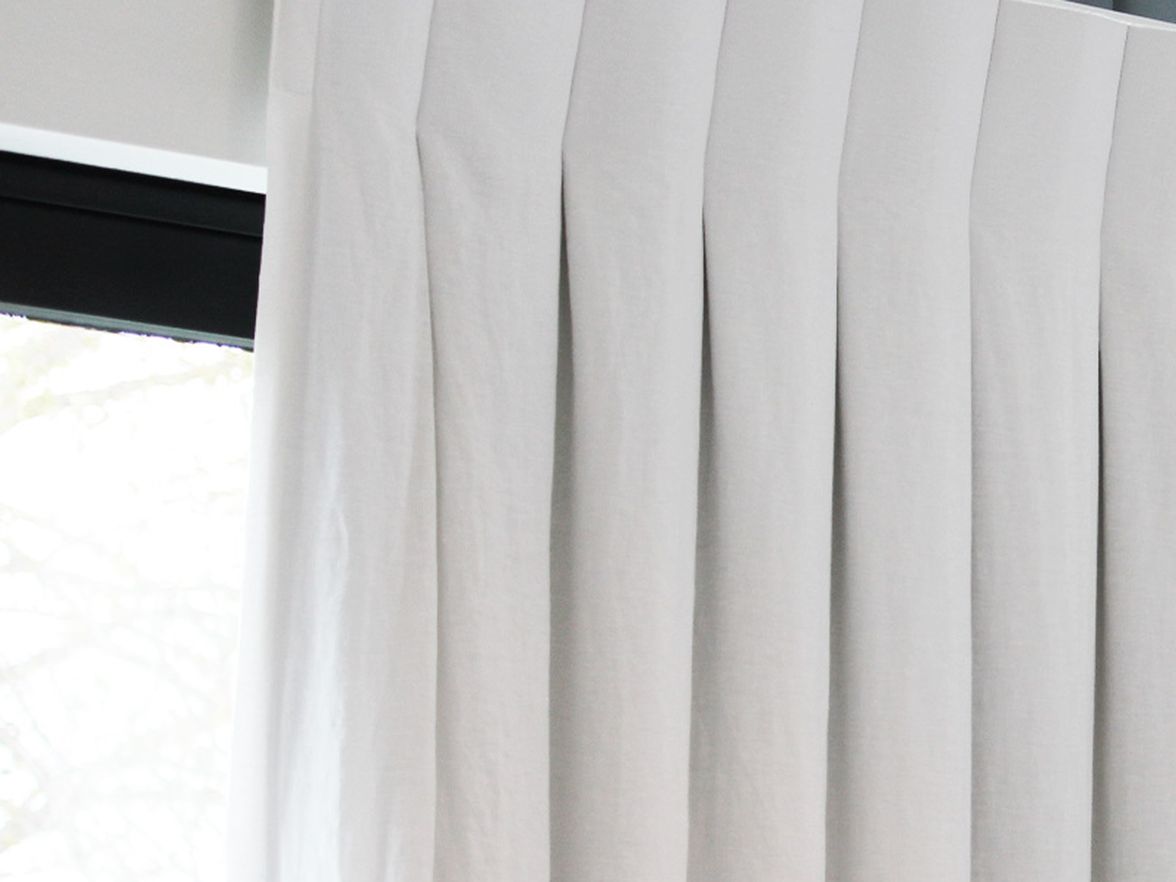
A flat fronted, tailored heading where deep pleats fold behind the curtain. It is sometimes called a reverse pleat or box pleat. The inverted pleat sits beautifully within both modern and classic interiors; it looks best with a generous amount of fullness and works equally well with sheer fabrics or heavier weaves. Suitable for both tracks and rods, it typically requires around 80% to 100% fullness.
Serpentine Wave
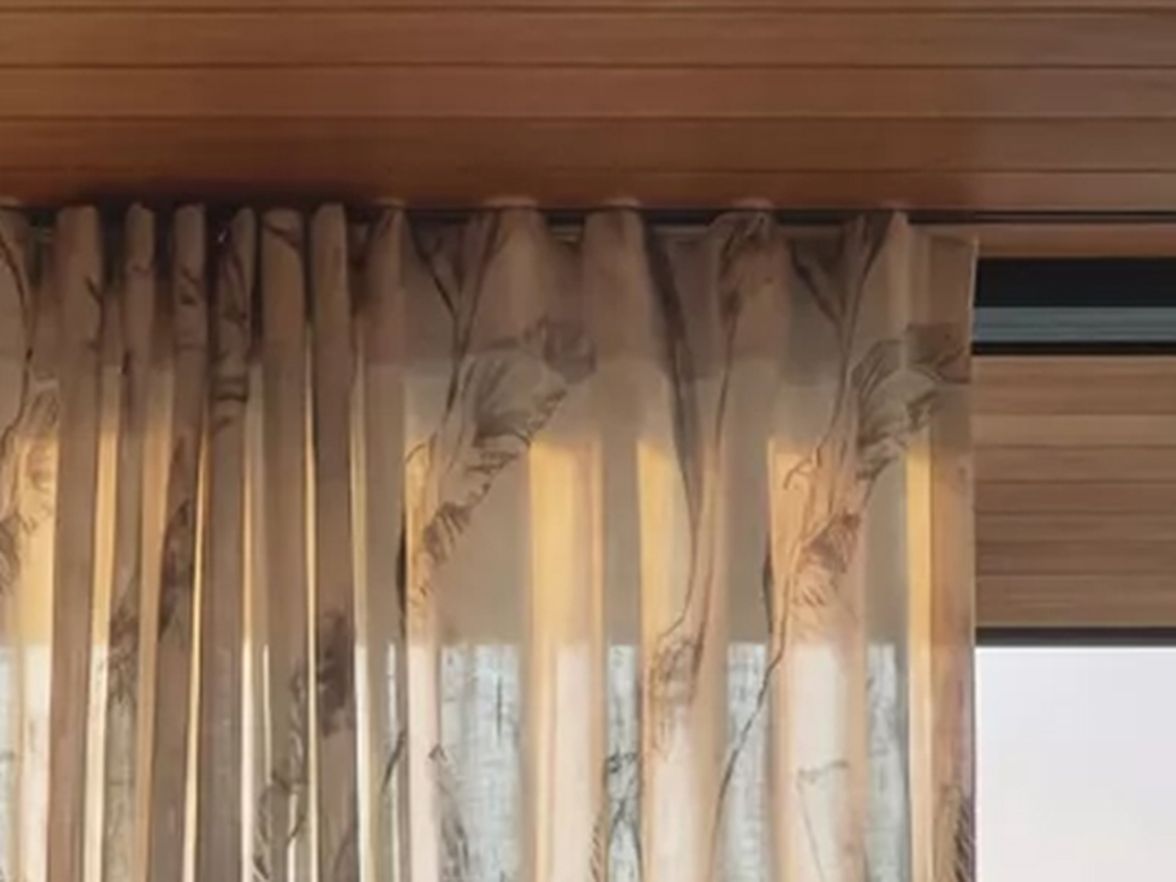
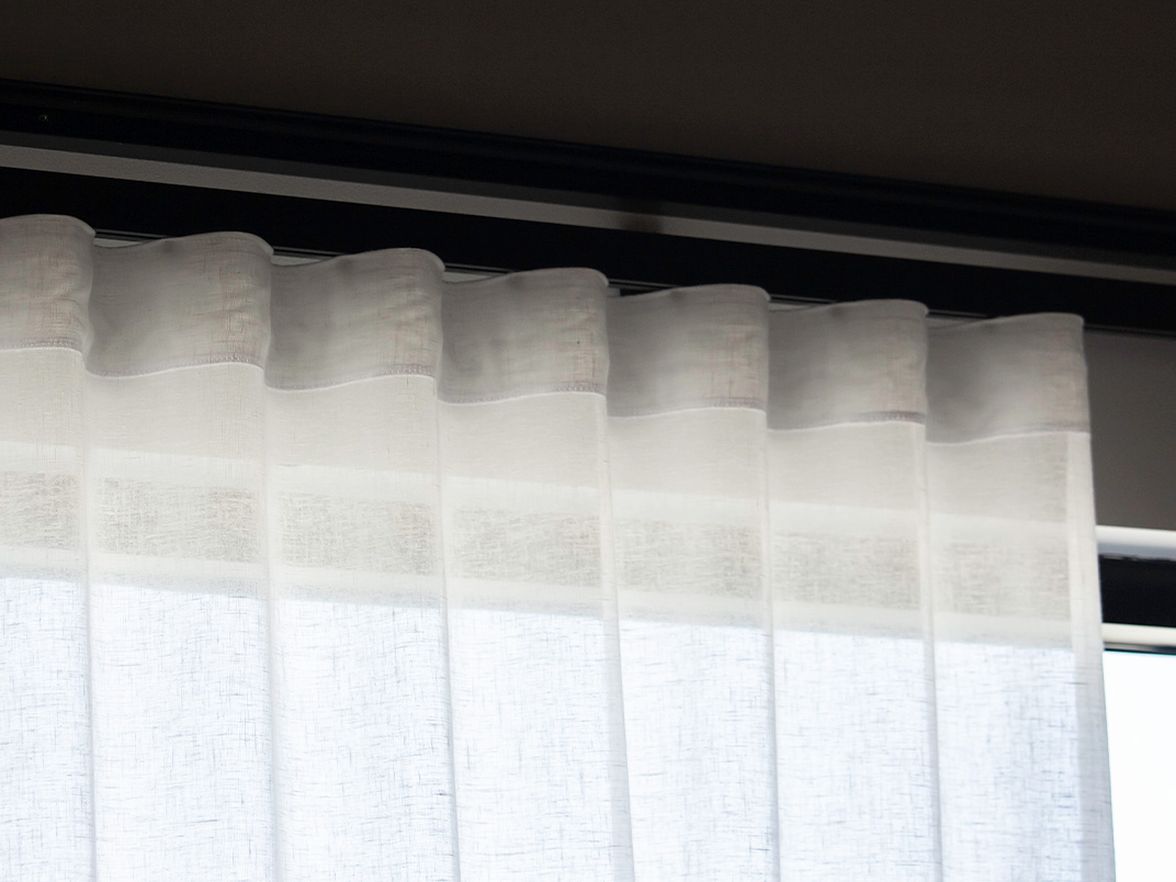
A precise, continuous S-shaped curve along the heading, created with a specialist track or rod. Tethered glides within the hardware create the uniform spacing and S wave effect. The serpentine wave works equally well in minimal, architectural interiors or contemporary homes where a simple and uncluttered look is the goal. It does require a little more depth at the window and takes a more generous space to stack the curtains back than many other headings. Serpentine wave can be made using either 80% or 100% fullness and the heading must sit beneath the track or rod.
Casual Wave
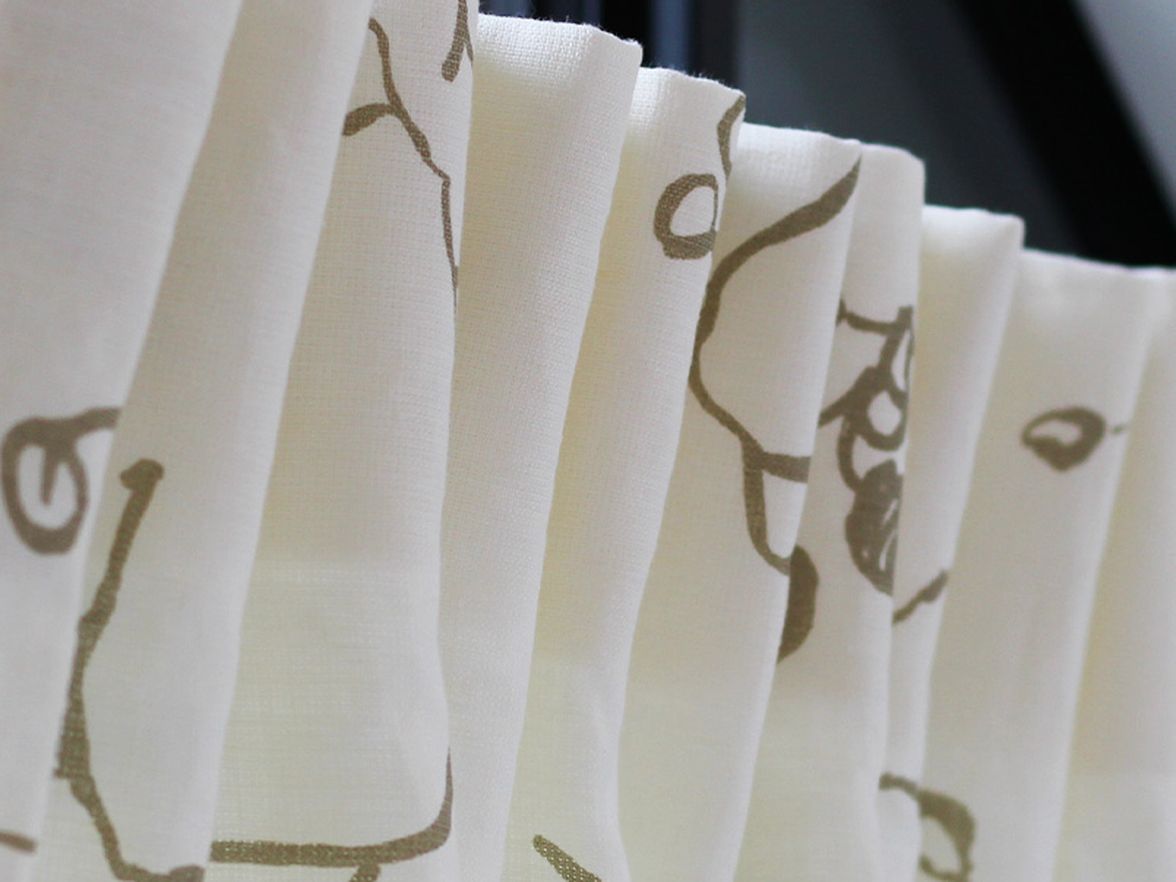
A softer, more relaxed take on the wave heading family. The casual wave creates a gentle, informal curve across the top of the curtain, ideal for everyday interiors where an uncluttered finish is preferred. With no pleating needed, it is one of our most fabric efficient styles, suiting both heavy and lighter weight fabrics beautifully. There are some limitations when using with unlined sheer fabrics, as additional steps need to be taken to disguise the curtain hooks. Typically, it requires around 60 to 70% fullness.
Pencil Pleat
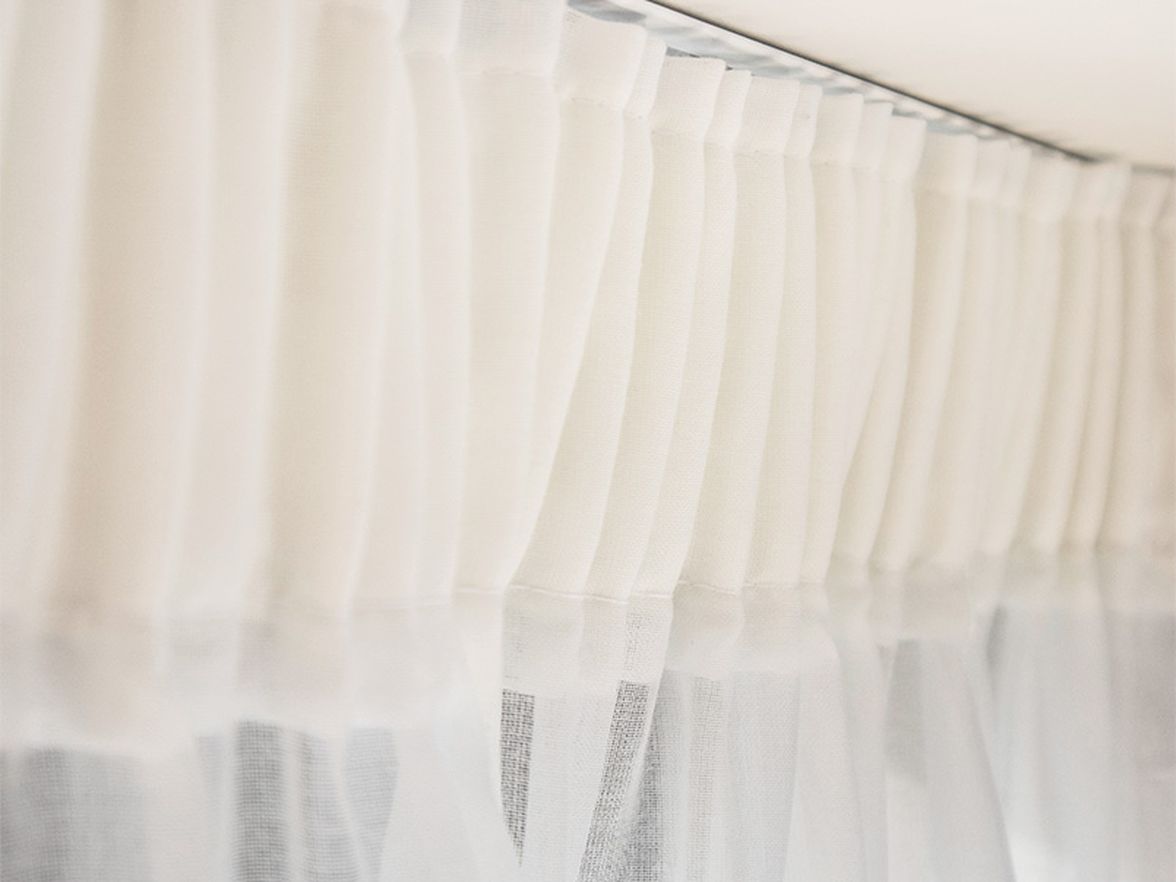
A classic heading where specialised tape is sewn to the fabric and gathered into evenly spaced narrow pleats that resemble a row of pencils. The pencil pleat is less commonly chosen for modern homes but still has a role to play as a simple, easy to work with style. Because the curtain can be gathered to a variety of widths, pencil pleat allows flexibility to swap curtains around on windows. It can be un-gathered to allow for laundering or storing and simply gathered back into place. Typically requiring around 75% to 100% fullness, it works with both tracks and rods.
Pairing Your Heading with Tracks and Rods
The right heading is only half the story. Your tracks or rods complete the look and shape how your curtains function day to day. Some headings sit beautifully on a decorative rod where the hardware is part of the design; others suit a concealed track that lets the fabric do the talking. Our tracks and rods page explores the full range of options, from wall and ceiling mounted tracks to recessed and motorised systems.
Layering Curtains: Sheers, Insulation and Blackouts
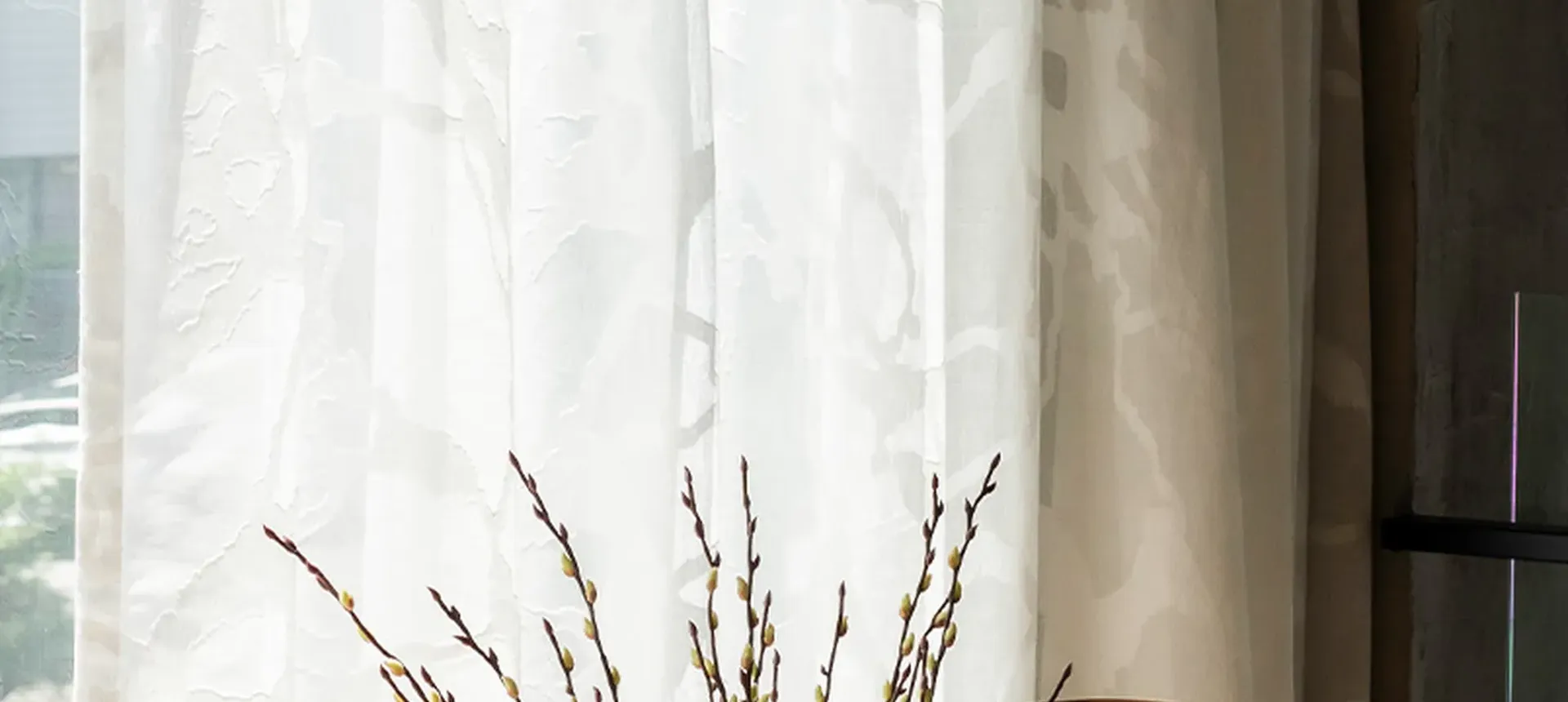
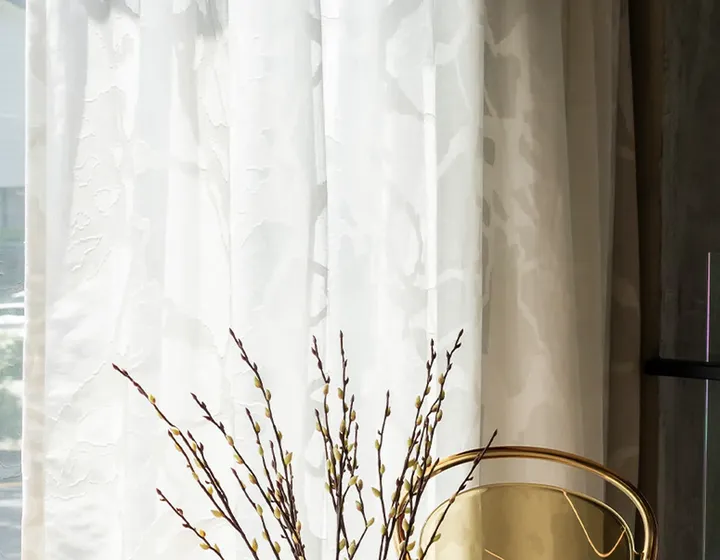
Layering curtains is one of the most popular and practical choices in New Zealand homes. A double track or double rod lets you filter strong sunlight and protect furnishings from UV during the day, then draw a lining across for warmth, privacy and darkness at night. You can hang a sheer at the front with a lining behind, or reverse it with lined curtains at the front and sheers behind for a more elegant finish. Most heading styles work on a double system, and our consultants will recommend the right combination for your fabrics, window style and how you use each room.
McW Projects
View all Projects


Common Questions About Curtain Heading Styles
Custom Curtains at McKenzie & Willis
McKenzie & Willis has been helping New Zealanders furnish their homes since 1906, and for more than 120 years we have brought the same care and craftsmanship to every detail. Visit us at one of our showrooms to see and feel the options in person, or book a complimentary consultation to talk it through with one of our designers.