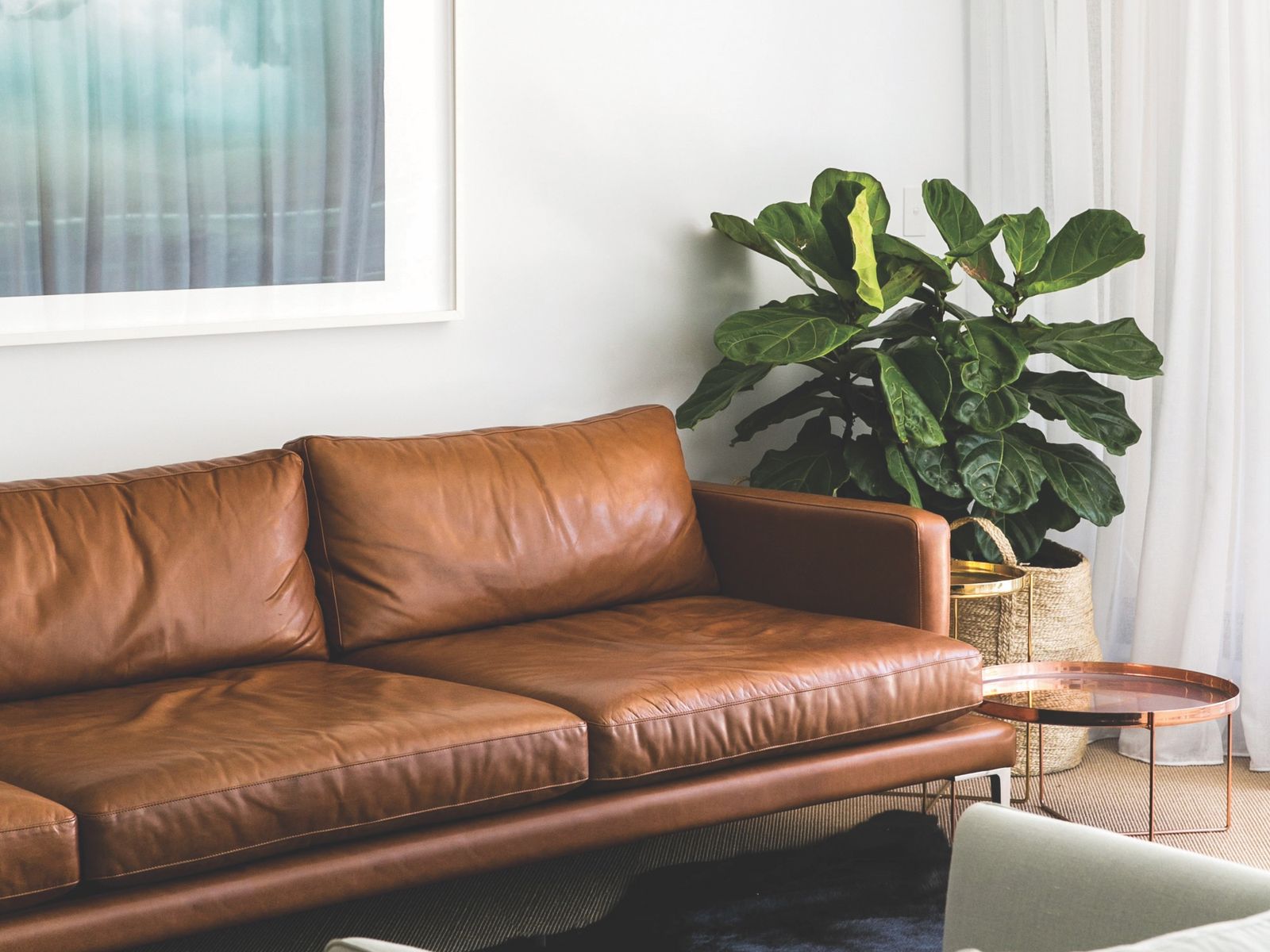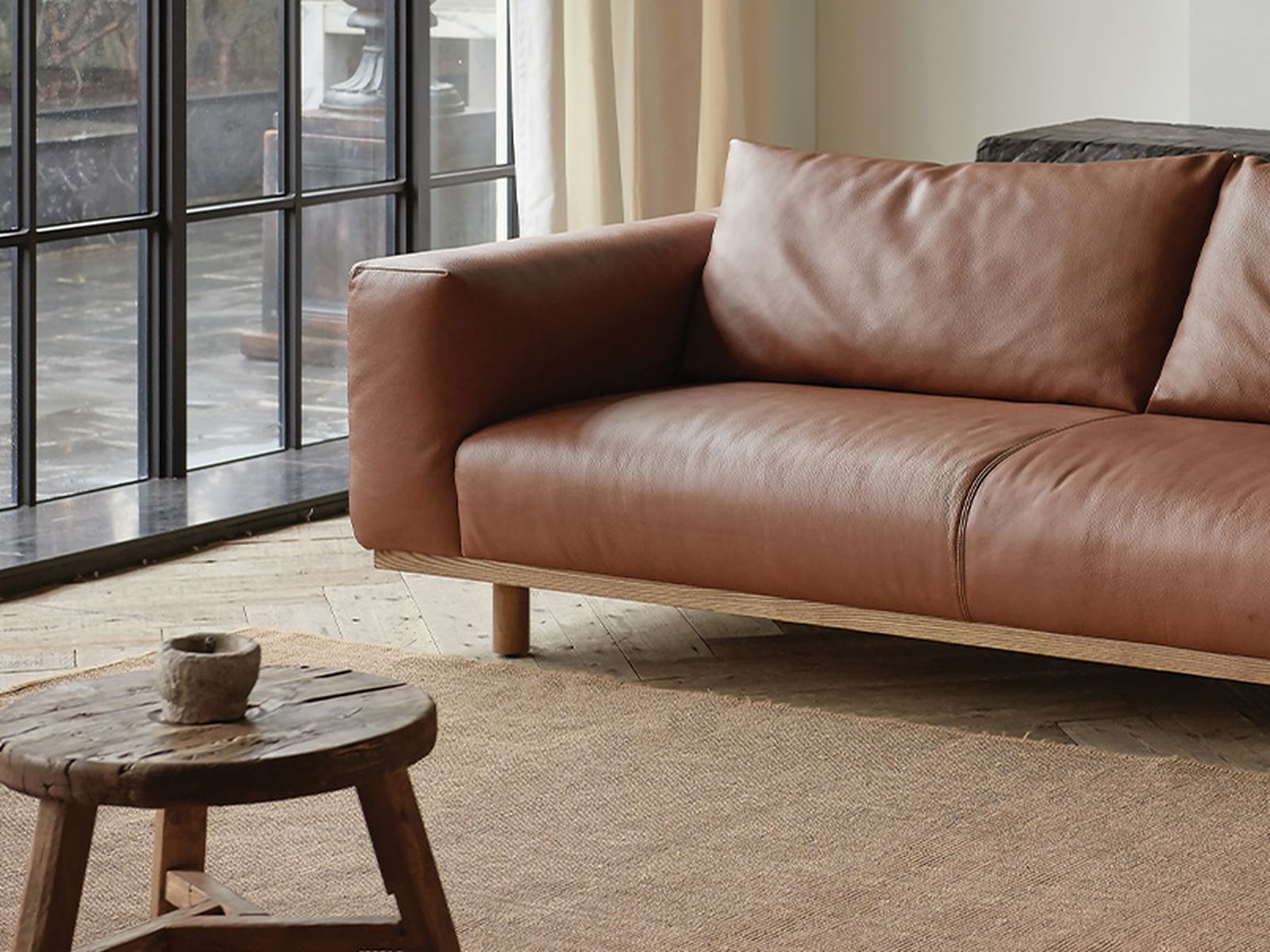
A quality leather sofa or armchair doesn't simply withstand everyday life. It becomes part of it. It softens, develops a patina, and tells a story through years of use. Yet not all leathers are the same, and choosing the right one depends on more than colour alone.

In this video, McKenzie & Willis Furniture Category Manager, Jayne Cross-Hunter shares her advice on how to choose leather furniture that suits your home, lifestyle and aesthetic preferences, from understanding different leather finishes to knowing how to care for your investment.

Leather furniture is one of the most durable and timeless choices for your home, but choosing the right leather depends on your lifestyle, the amount of sunlight in your space, and the look you want to achieve. Natural leathers offer softness and character, while more finished leathers provide greater protection and easier maintenance.

Loading video...

Natural leather vs finished leather: what's the difference?

Our outdoor living range is organised to help you build a complete lounge space, whatever the shape of your deck, patio or garden.

Natural Leather

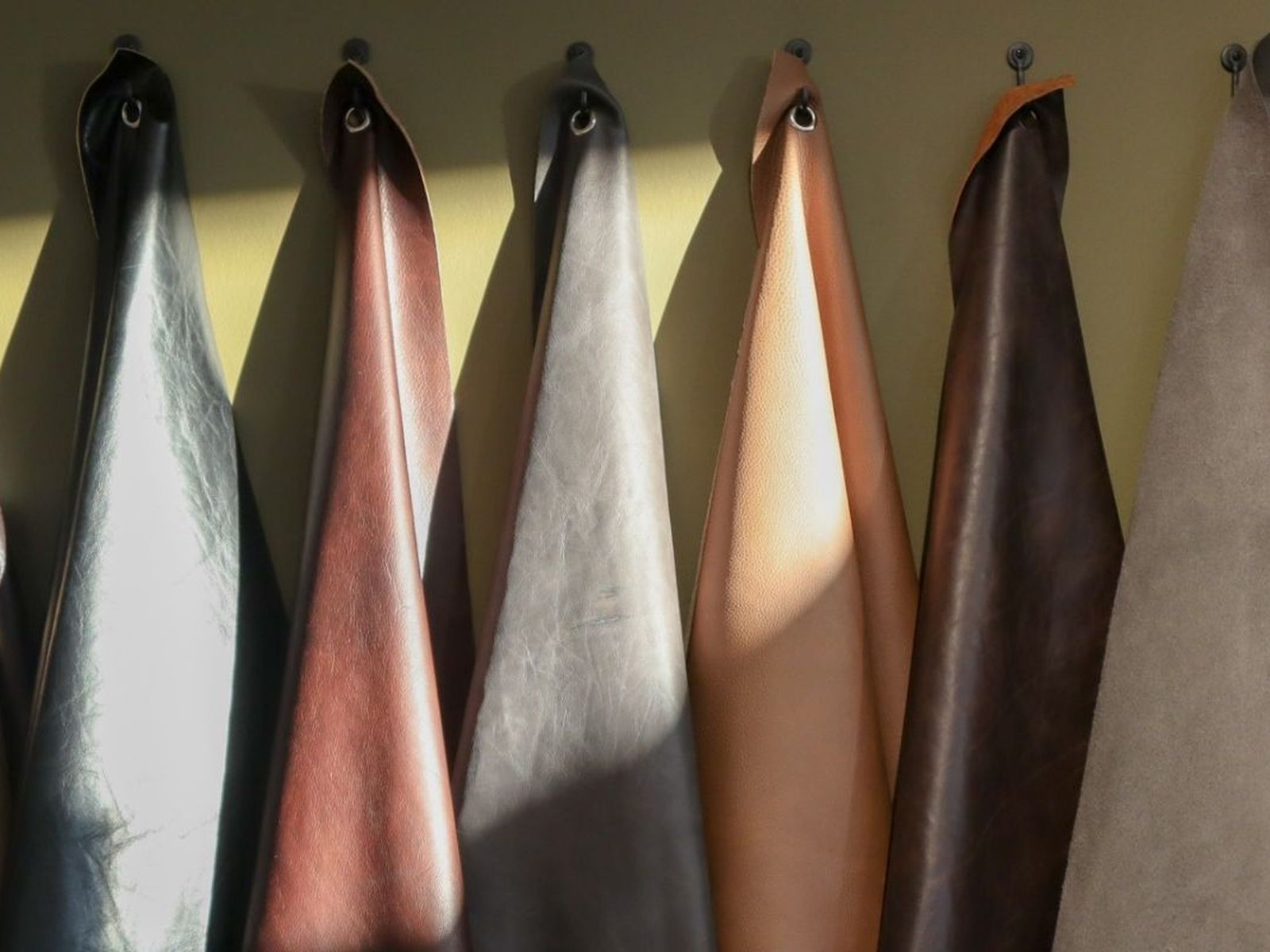
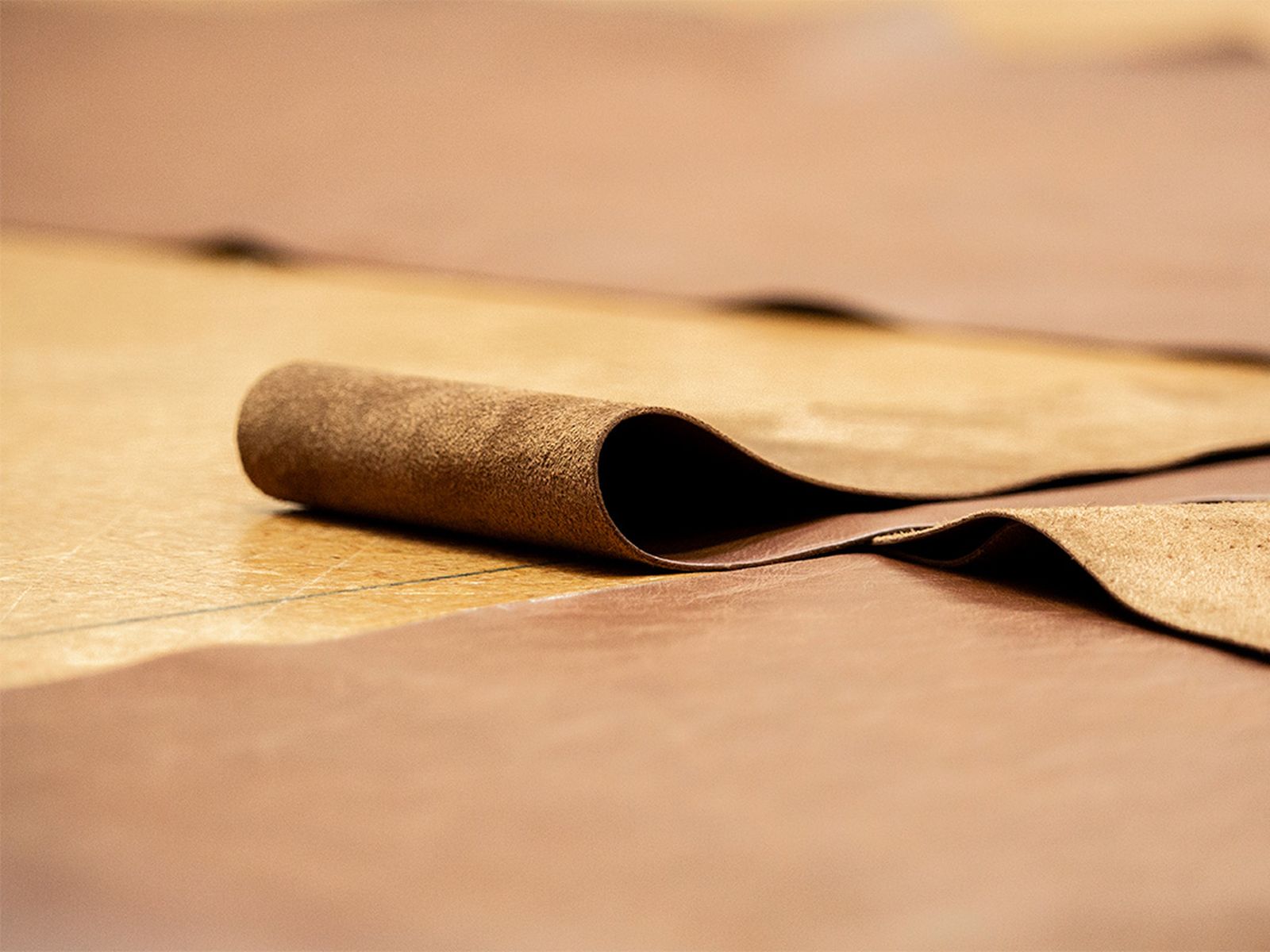
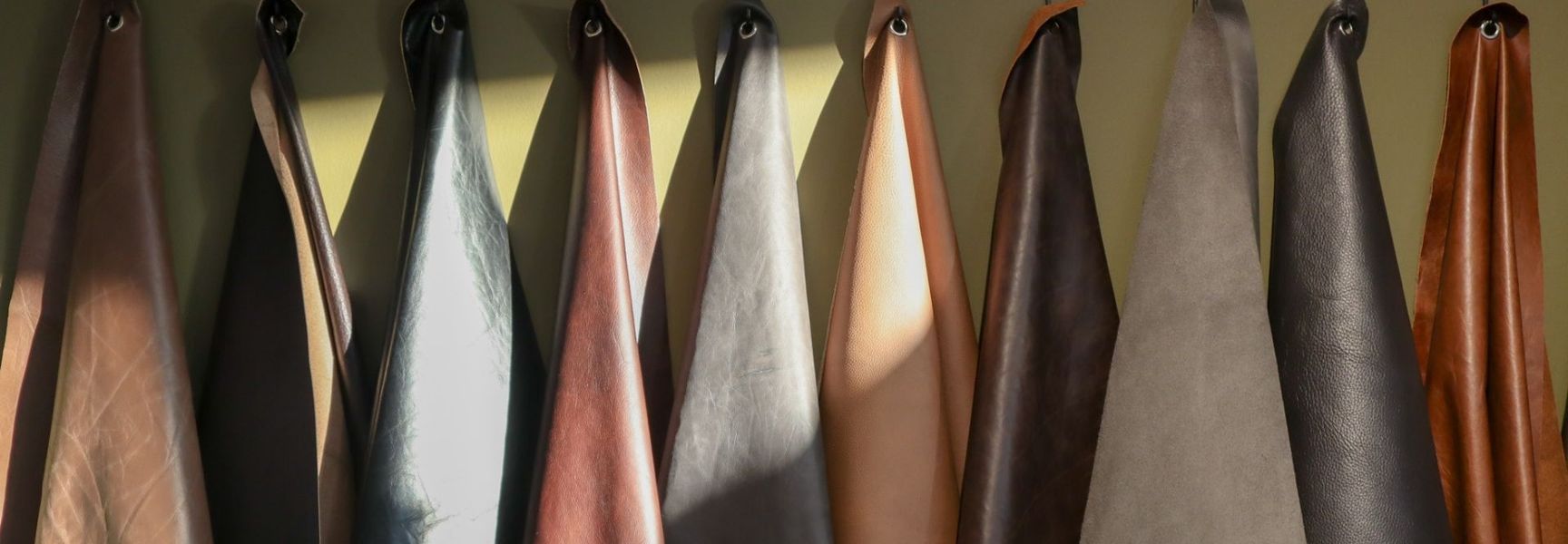
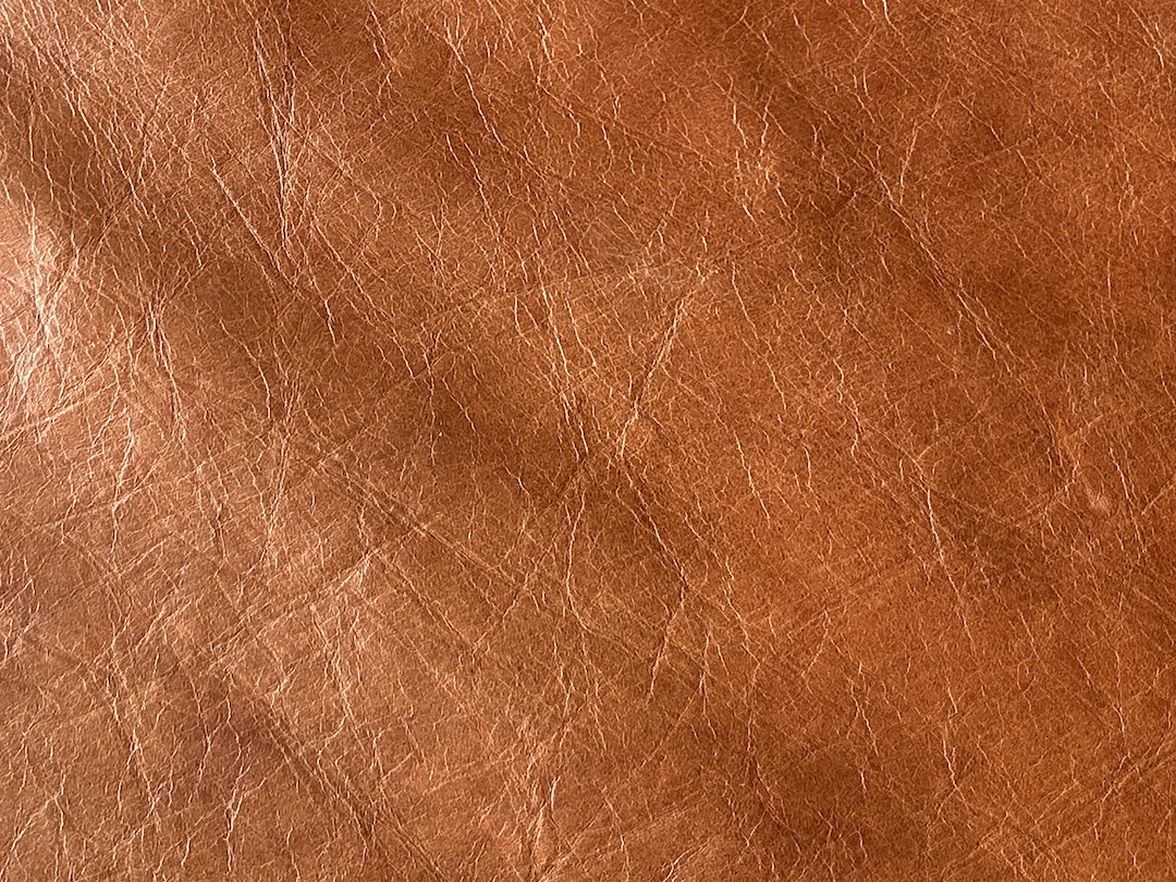
Natural leather sits closer to the original hide. You'll often see authentic markings, scars, insect bites and natural variations in texture. Rather than being imperfections, these details are often signs of a high-quality leather. Natural leathers are softer, warmer and more expressive. They tend to develop a rich patina over time, creating the relaxed, lived-in look many homeowners love. Some leathers even arrive with a vintage appearance from day one, offering immediate character and depth.

Finished Leather

Finished leathers, on the other hand, have additional protective coatings applied to the surface. This creates a more uniform appearance with fewer visible markings and a more polished look. They are often a practical choice for busy households or rooms that receive more sunlight. As a general rule, the more natural and minimally treated a leather is, the more exclusive and expensive it becomes. With that comes greater character, but also a little more care and consideration.

Why placement matters more than most people think

Where you place your leather furniture can have a significant impact on how it ages.

Leather behaves much like skin. Just as our skin changes colour when exposed to sunlight, leather can also tan and change over time. This applies to all leathers, although natural leathers tend to be more sensitive because they have less protective finishing.

If your living space receives strong direct sunlight throughout the day, a more heavily finished leather may be the better choice. The additional protective layers help reduce the effects of UV exposure and everyday wear.

Where possible, position leather furniture away from direct sunlight or use window treatments to limit prolonged exposure. A little planning upfront can help preserve the appearance of your furniture for years to come.

How to care for leather furniture

One of the enduring myths about leather is that it requires extensive maintenance.

In reality, caring for leather is often surprisingly simple.

For most natural leathers, regular cleaning with a soft damp cloth and water is all that's required for day-to-day care. Leather tends to age gracefully, and many owners find that minor marks and signs of use become part of its appeal.

Conditioners can be suitable for some leathers, but not all. Before applying any treatment, it's important to seek advice specific to the leather you've chosen. Different finishes have different care requirements, and using the wrong product can sometimes do more harm than good.

A knowledgeable consultant can recommend the most appropriate care products and routine for your furniture.

Why leather is a long-term investment

Leather furniture often carries a higher upfront cost than fabric upholstery, but that's only part of the story.

While fabric trends can change from season to season, leather remains remarkably timeless. Its appeal crosses design styles, from contemporary urban interiors through to traditional family homes.

More importantly, quality leather ages beautifully. Like a favourite leather bag or a well-loved pair of shoes, it often becomes more attractive with time rather than less.

When properly cared for, a leather sofa can remain part of your home for many years, often outlasting multiple fabric alternatives. For many homeowners, that longevity makes leather one of the most rewarding furniture investments they can make.


How to choose the right leather for your home

The best leather isn't necessarily the most expensive leather. It's the one that fits the way you live.

When selecting leather furniture, consider:

  • How much natural sunlight the room receives

  • Whether you have children or pets

  • The level of maintenance you're comfortable with

  • Whether you prefer a polished look or a relaxed, vintage feel

  • How the furniture will fit within your broader interior style

At McKenzie & Willis, these are the questions our consultants ask every day. Rather than focusing solely on the product itself, we start by understanding your home and lifestyle so we can guide you towards the most suitable leather option.

Frequently Asked Questions

Discover Leather Furniture at McKenzie & Willis

Choosing leather furniture is about more than selecting a colour or a style. It's about finding a material that suits your home, complements the way you live, and rewards you over time.

Visit your nearest McKenzie & Willis showrooms to explore our leather collections, compare different finishes, and experience the texture, comfort and character of leather for yourself. Our team can help you choose a leather that will look beautiful not just today, but for years to come.

Get Personalised Design Advice With a Complimentary Consultation

Book today